
Tuff Shed Site Prep & Utilities: The San Antonio Owner’s Guide
Site prep and utility installation for a Tuff Shed in San Antonio typically runs $2,800 to $9,500 installed, depending on whether you need a gravel pad or a concrete slab, how far we’re running electrical and water lines, and what Bexar County requires for your specific lot. We stock the most common Tuff Shed-compatible site prep components on our trucks, and most utility rough-ins on level lots finish in two to three days. Most owners discover the problem the hard way: a shed that’s been sitting fine for two years starts collecting moisture at the base, the door binds because the pad settled, or the outlets trip the breaker every time a space heater kicks on.
We’re an independent San Antonio contractor, not affiliated with Tuff Shed. What we know about their products comes from years of prepping sites for their sheds, garages, and cabins across Bexar County. And what we know about San Antonio soil is this: it moves, especially the black gumbo clay on the northeast side and the limestone shelf in the Hill Country approaches. If your pad wasn’t built for that movement, the shed tells you within a few seasons.
Which Tuff Shed Models This Applies To
Site prep and utility requirements differ across Tuff Shed’s lines, and this is where owners get caught. The Pro Series and Premier Pro Series sheds are heavier, built with 2×4 studs on 16-inch centers, and they’ll expose a thin or undersized pad quickly. The Classic Series and Garden Series are lighter and more forgiving, but the lighter builds still want a level, positively drained base. The Studio and She Shed lines often get electrical and climate control, which means we’re pulling permits and running conduit, not just setting blocks.
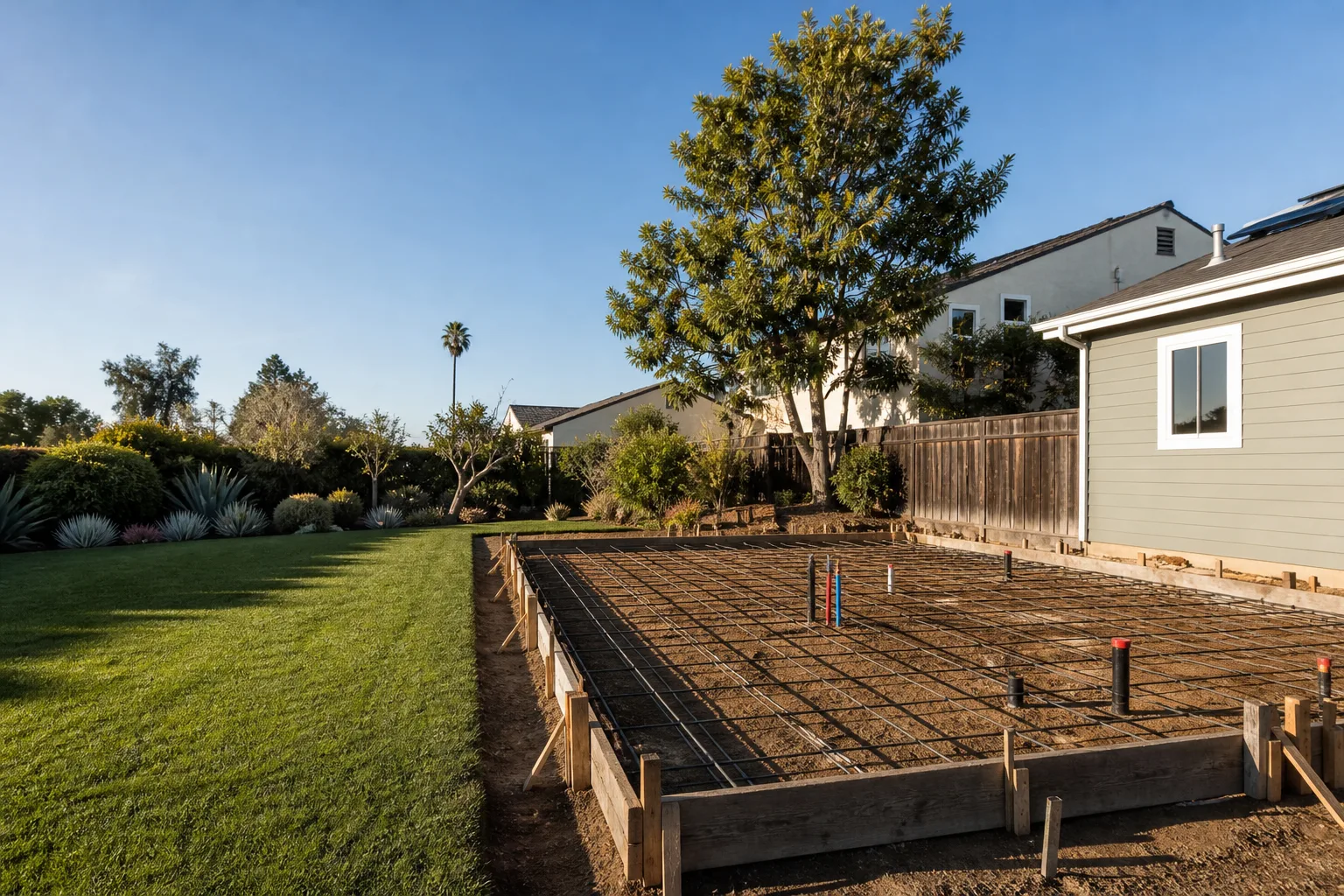
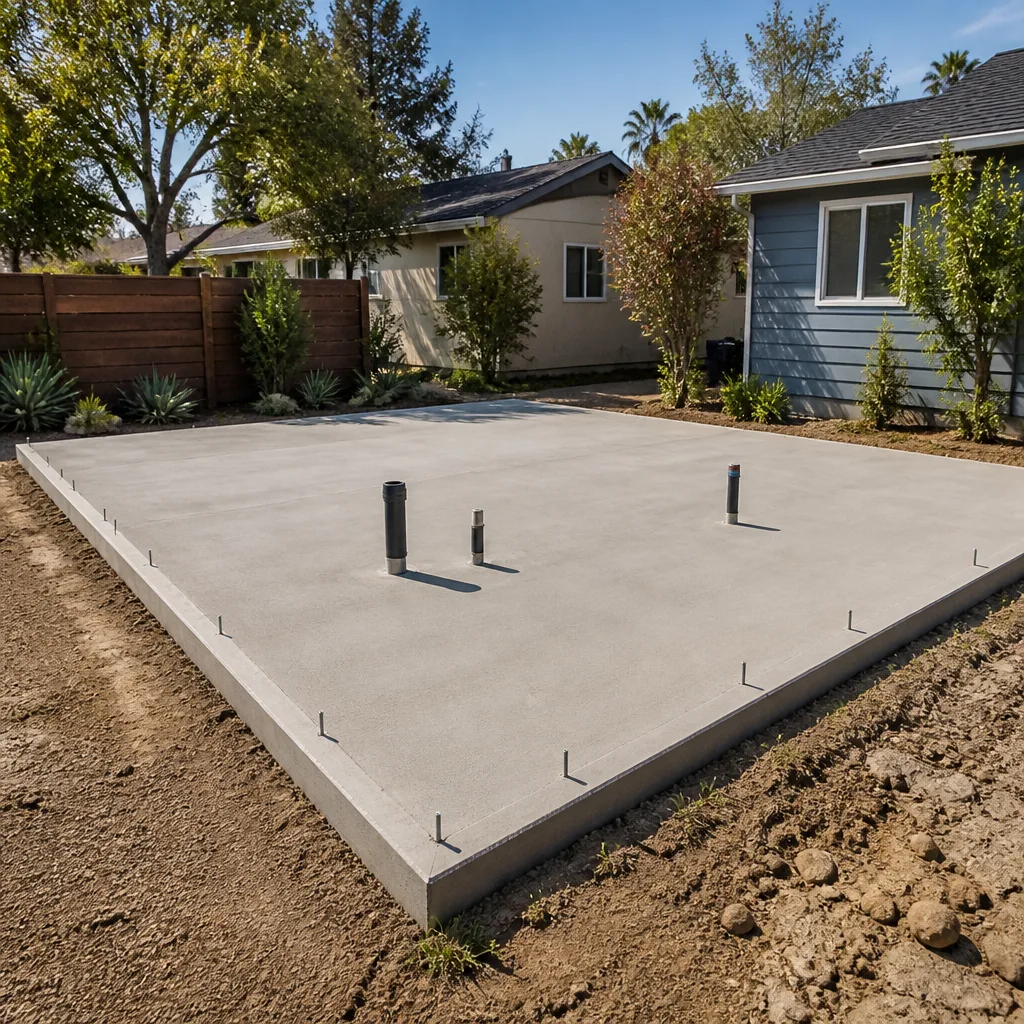
Here’s the compatibility gotcha we see most often: Tuff Shed’s recommended foundation is a level gravel pad or concrete slab that extends a minimum of 6 inches beyond the shed footprint on every side. If your existing pad is flush to the footprint, water runs down the siding and pools at the skids or floor joists. That’s a slow failure Bexar County sees every rainy season. On the utility side, the panel size depends on what you’re actually running inside: a basic 50-amp subpanel handles lights and outlets, but if you’ve got a mini-split for a workshop or she shed, you’re looking at 100-amp and larger-gauge feeder wire. We spec OEM Tuff Shed floor framing components where it matters, but for the site work itself we use local concrete and aggregate suppliers who understand San Antonio’s freeze-thaw-and-swell soil. The aftermarket aggregates often outperform what you’d get from a big-box kit for our specific conditions.
Signs Your Tuff Shed Site Prep & Utilities Is Failing
- Water staining or moisture at the bottom 6 inches of the shed walls. This usually means the pad has settled on one corner or the drainage slope isn’t moving water away fast enough. In San Antonio’s clay-heavy areas, it gets worse with every wet-dry cycle.
- The door binds or won’t latch cleanly. When the concrete or gravel shifts, the door frame twists. You’ll notice it first in the summer when the clay shrinks and the pad drops a hair on the south side.
- Breakers tripping when you run a heater or table saw. The original electrical rough-in was likely sized for basic lighting, not the load you’re actually using now. Undersized wire heats up and trips the breaker, which is the panel doing its job.
- Cracks spidering across the slab corners. A few hairline cracks are normal. Cracks wider than a quarter inch at the corner, with one side lower than the other, are structural movement, not cosmetic.
- Skunks, rats, or moisture crawling under the shed. The gap between the floor and the pad is either too wide or the perimeter wasn’t sealed. San Antonio’s critters and humidity find that gap fast.
Replacement Cost & What’s Included
For San Antonio properties, here’s the realistic installed range for Tuff Shed site prep and utility work:
- Gravel pad with compacted base, 10×12 shed: $1,400 to $2,400
- Concrete slab, 10×12 to 12×16 shed: $2,800 to $5,400
- Full site prep plus concrete slab and basic electrical (lights, 2-4 outlets): $6,000 to $8,500
- Site prep, slab, electrical subpanel, and water line rough-in: $7,500 to $9,500
The range depends on three things: how much grading your lot needs, how far the utility lines have to run from your main panel or water meter, and whether the city requires engineered drawings. Every Seedling ADU San Antonio site prep and utilities job includes a written price before we break ground, no change orders at the end, and the 365-Day Done Right Promise in writing. If the pad cracks beyond normal settling or the electrical isn’t right inside a year, we come back and make it right. That’s Ben Ortega’s standing rule.
DIY or Call Us?
There’s one part of this you can safely inspect yourself: look at the drainage. After a rain, walk the perimeter of your shed and see where water pools. If it sits against the skids for more than an hour, that’s your first problem, and it’s cheaper to fix before the pad fails than after. You can also check the breaker size against what you’re plugging in.
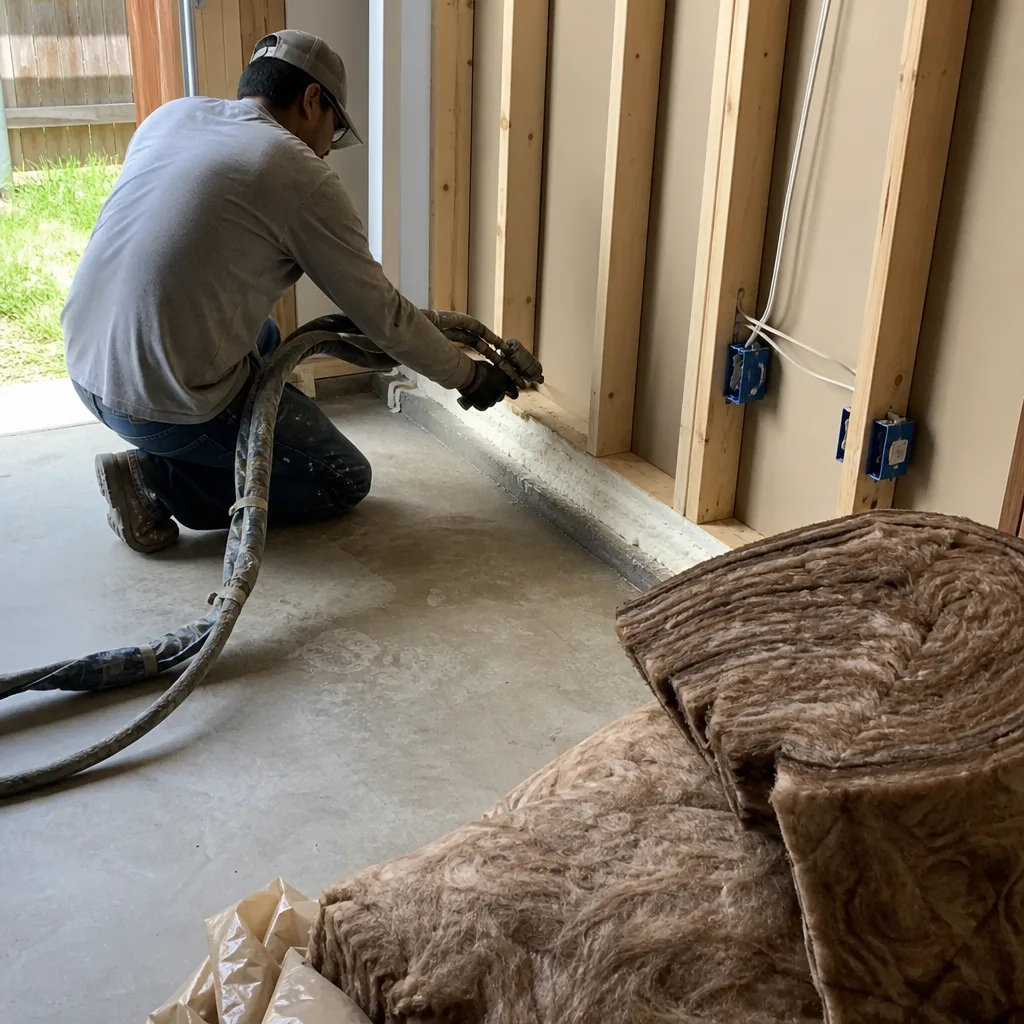
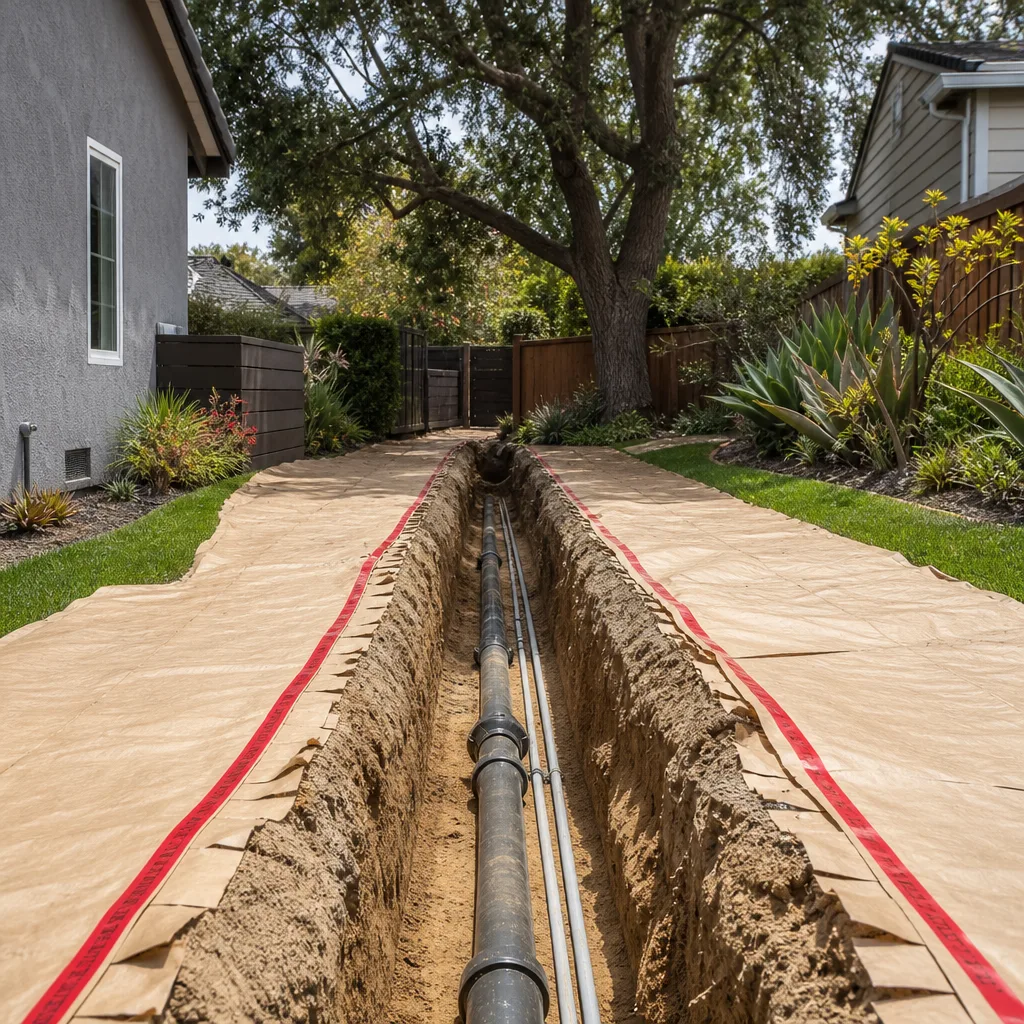
Where DIY goes wrong is the slab and the electrical. Pouring concrete in San Antonio’s soil without understanding clay expansion is how you end up with the exact same failure in three years. And running electrical without a permit in Bexar County can void your homeowner’s insurance if something shorts. Underground trenches, conduit sizing, grounding rods: this is where we earn our keep. If you’re in San Antonio and want an honest read on whether your existing base can be saved or needs a full redo, call us at (210) 981-6358. We’ll tell you straight.
FAQs
A properly built concrete slab on compacted base in San Antonio should last 20 to 30 years, with minor settling in the first two. A gravel pad needs re-leveling every 3 to 5 years, sooner if your lot drains poorly. After a year or two, minor hairline settling is normal; significant corner drop is not.
In most San Antonio cases, we can repair. Corner lifting (slab jacking) runs $800 to $2,500 depending on how far it’s dropped, and re-grading drainage around the shed is typically $500 to $1,200. Full replacement is only necessary when the existing base was never compacted or the slab is too thin to support the shed’s weight. Call (210) 981-6358 and we’ll inspect before recommending anything.
Most San Antonio site prep and utility jobs take 3 to 5 working days: one to two days for grading and forming, one day for the pour (with 3 to 5 days of cure time before the shed is set), and one to two days for electrical and water rough-ins. We’ll give you the exact schedule before we start, not after.
We stock the common components: treated skids, anchor kits, gravel base materials, conduit, subpanel boxes, and the right gauge wire for San Antonio’s code. If your Tuff Shed model needs something specific we don’t carry, we’ll tell you the lead time before any work starts. We also work with Abodu, Cover, and Dvele products when you’re looking beyond Tuff Shed.
Written by Ben Ortega, Owner, Seedling ADU San Antonio at Seedling ADU San Antonio, serving San Antonio and nearby areas.


