
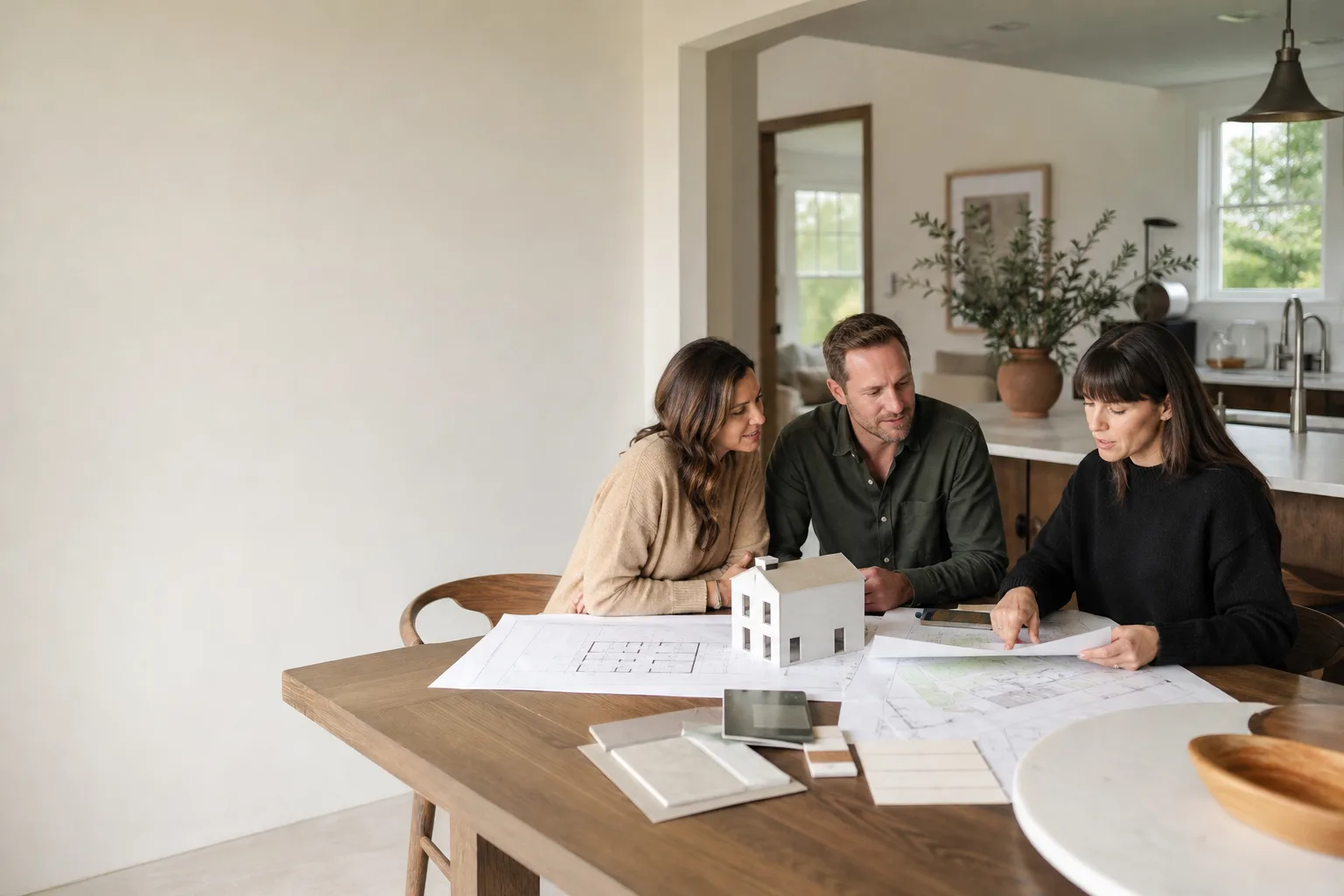
James Hardie ADU Design & Permitting: The San Antonio Owner’s Guide
If you’re planning an ADU with James Hardie siding or trim in San Antonio, design and permitting typically runs $4,800 to $9,500 depending on lot conditions, historic district overlays, and how much site prep your parcel needs. Most owners contact us after a first draft gets bounced back from the City of San Antonio Development Services Department, or when a prefab ADU they liked turns out to be incompatible with their setback requirements. We walk every project through design, plan review, and final inspection, and we’ve done it enough times across San Antonio to know which details the city flags first and which ones sail through.
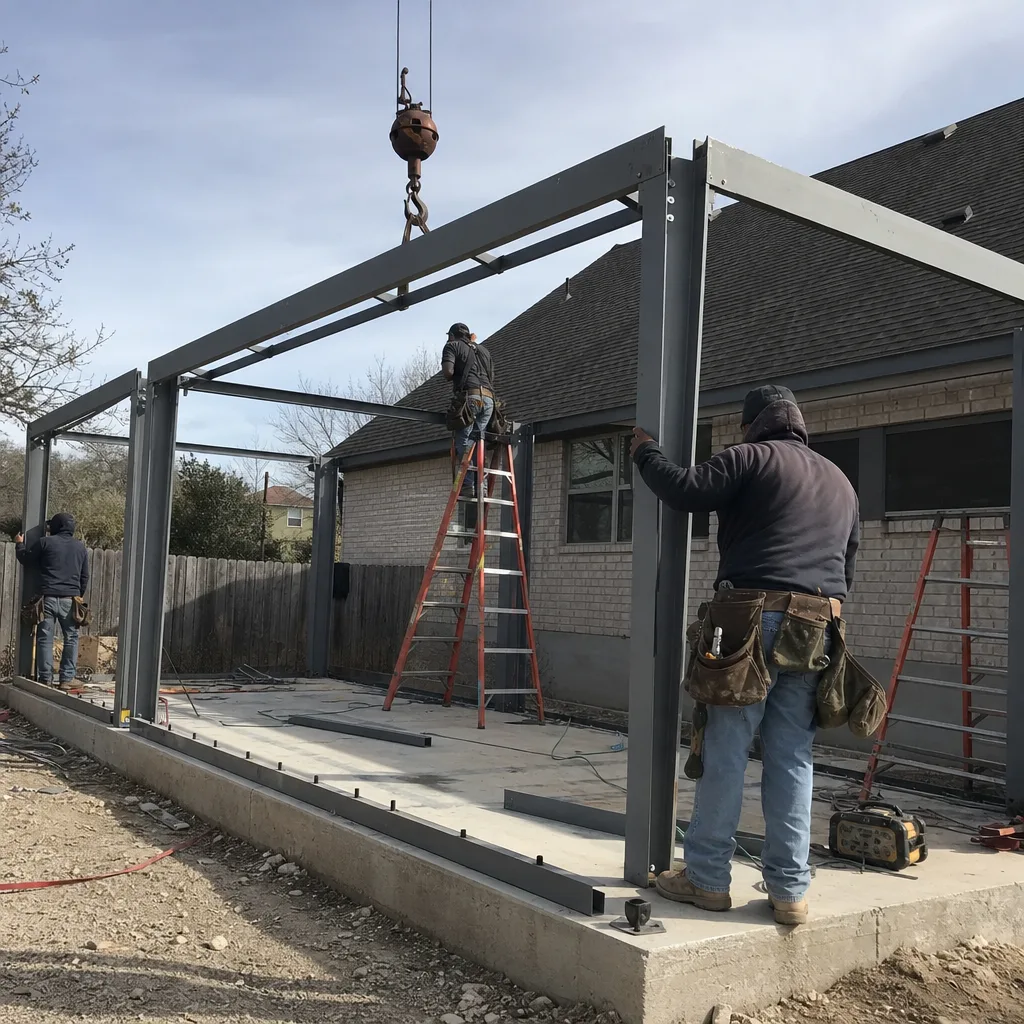
The symptom picture looks like this: you’ve budgeted for the ADU itself, you’ve picked James Hardie cladding so it matches the main house, and then the paper side stalls. The drawings don’t line up with the survey. The energy compliance form isn’t right. Someone tells you the project needs a variance and nobody explained that on the front end. That’s the moment when our phone rings, and honestly, it’s the right time to call. Ben Ortega has led ADU builds across San Antonio for several years now, including near the King William Historic District, and he’s learned where the process snags so you don’t have to find out the expensive way.
Seedling ADU San Antonio is an independent service provider. We’re not affiliated with James Hardie, but we specify and install their siding, trim, and soffit products regularly because they hold up in Texas heat better than most alternatives on the market.
Key Takeaways:
- Design and permitting for a James Hardie-clad ADU in San Antonio runs $4,800 to $9,500 in most cases.
- The fastest path to approval is drawings that match your survey exactly, plus a permit set built around San Antonio’s current code amendments.
- We provide a written price before any work starts, and every ADU we build is covered by the 365-Day Done Right Promise.
Which James Hardie Models This Applies To
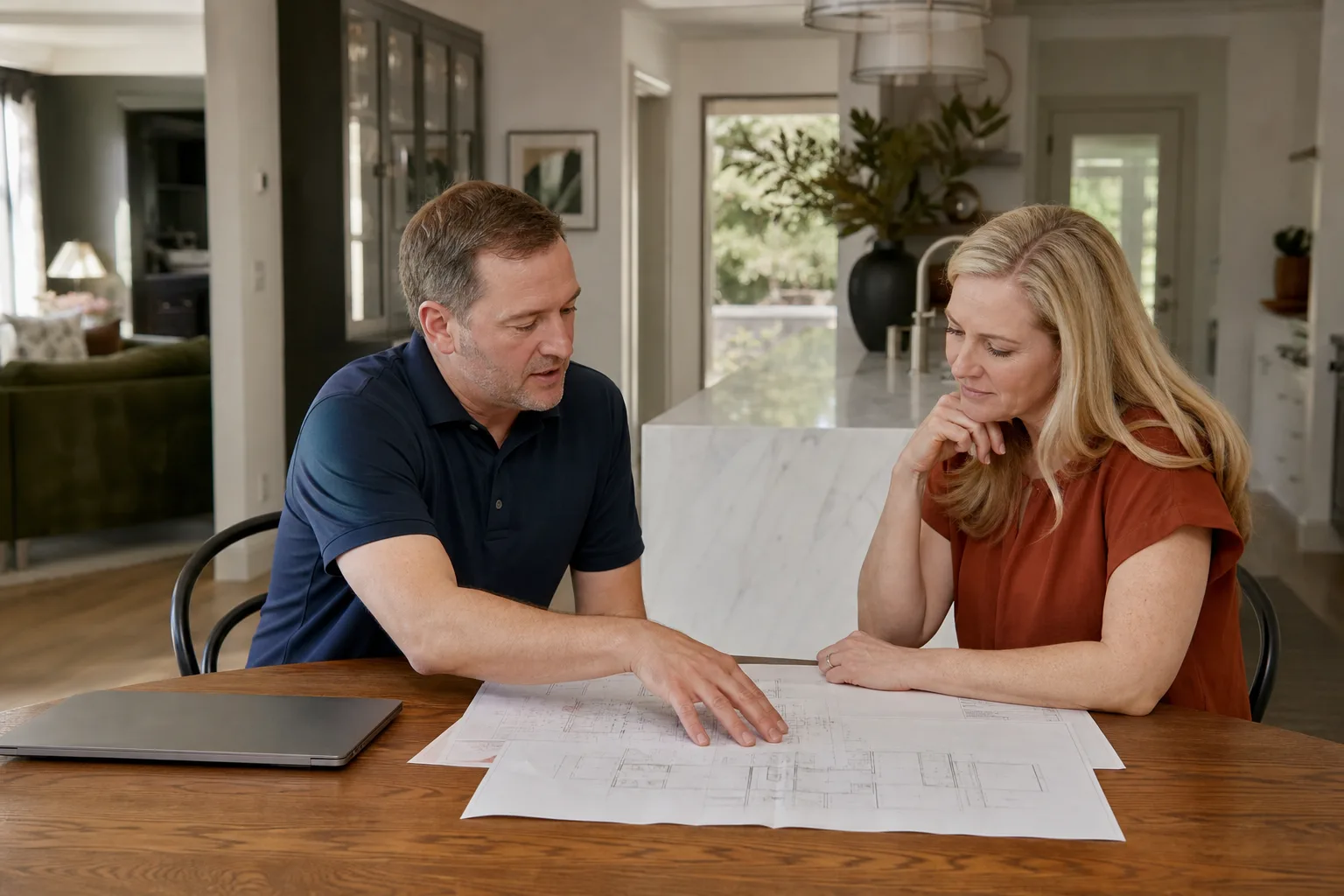
The design and permitting side matters regardless of which James Hardie product you choose, but the product decision affects your drawings and your permit application. HardiePlank lap siding, HardiePanel vertical siding, HardieTrim boards, and HardieSoffit all have different thicknesses, reveal requirements, and installation tolerances. San Antonio’s Development Services Department reviews your elevation drawings against the building code, and if the siding spec doesn’t match what’s shown, the plan reviewer sends it back for correction.
Here’s the compatibility reality: most prefab ADU manufacturers, including Abodu, Cover, and Dvele, ship their units with their own siding. If you want James Hardie instead, that substitution has to be documented in the permit set before you submit. The manufacturer’s engineering may or may not allow it, so sorting this out before you buy the unit saves rework later. When we handle design, we verify the siding swap with the manufacturer’s engineering team and reflect it accurately in the drawings the city sees. That one step prevents a lot of plan review corrections.
For site-built ADUs, the decision is simpler. You choose HardiePlank or HardiePanel, we size the wall assembly for San Antonio’s climate zone, and the permit set goes in with everything consistent. The gotcha we see most often: homeowners pick a board-and-batten look with HardiePanel, but the lot is in a historic district where the review board wants lap siding to match the main house. King William, Monte Vista, and Dignowity Hill all have their own review layers. We check that before you commit to a product.
Signs Your James Hardie ADU Design & Permitting Is Failing
- The city returned your permit application with corrections. This usually means the drawings and the survey don’t agree, or a required form is missing. It’s fixable, but each round-trip with the city adds two to three weeks in San Antonio right now.
- Your lot has an easement or setback issue that wasn’t flagged early. Some ADU kits assume a clean rectangular lot. San Antonio has plenty of irregular parcels, drainage easements, and older plats with odd setback lines. The design has to work around them.
- The siding spec on your drawings doesn’t match what you actually want installed. If the drawings say generic “fiber cement siding” but you’re planning HardiePlank with a specific reveal, the inspector can flag it at framing and you lose days.
- Your HOA or historic review board has requirements that came as a surprise. Some San Antonio neighborhoods require design review before the city even looks at your plans. Missing that step stalls everything after it.
- You’re trying to move forward without a survey. Nothing reliable gets designed or permitted without a current survey. If the one you have is older than your fence, it’s likely wrong.
Replacement Cost & What’s Included
In San Antonio, expect to budget $4,800 to $9,500 for ADU design and permitting when the project includes James Hardie siding specified in the permit set. At the lower end, you have a straightforward lot with a clean survey, a simple rectangular footprint, and no historic or HOA review. At the higher end, you’re dealing with a historic district overlay, a variance request, or engineering for a site-built structure on pier and beam with soil conditions that need attention.
What’s included in our design and permitting fee: a site analysis against San Antonio zoning, drawings that match your survey exactly, the James Hardie product specified correctly in the elevations, permit application preparation and submittal, plan review corrections, and coordination through final inspection. We don’t hand you a stack of paper and wish you luck. We see the permit through.
Every project gets a written price before any work begins. If the city requires something we didn’t anticipate, we absorb the correction work when it’s our error, and we tell you before spending anything when it’s a new city requirement. That’s how we’ve always done it, and the 365-Day Done Right Promise backs the finished build in writing.
DIY or Call Us?
Design and permitting is not a high-tension repair like garage springs or a live electrical panel, so nobody gets hurt if you try it yourself. But the cost of a DIY permit set is measured in months, not dollars. A homeowner who’s never submitted to the City of San Antonio will typically go three or four rounds of corrections before approval. Each round eats two to three weeks. When you’re paying interest on a construction loan or losing rental income while the ADU sits unbuilt, those weeks add up fast.
What you can safely do yourself: pull your own property survey from the county, measure your lot, and read San Antonio’s UDC chapter on accessory dwelling units so you understand your setbacks before you call anyone. That homework makes every conversation faster and more useful. After that, the smart move is to hand the drafting and submittal to someone who does it every week. Call us at (210) 981-6358 and tell me what you need the space to do, and we’ll figure out the rest from there.
FAQs
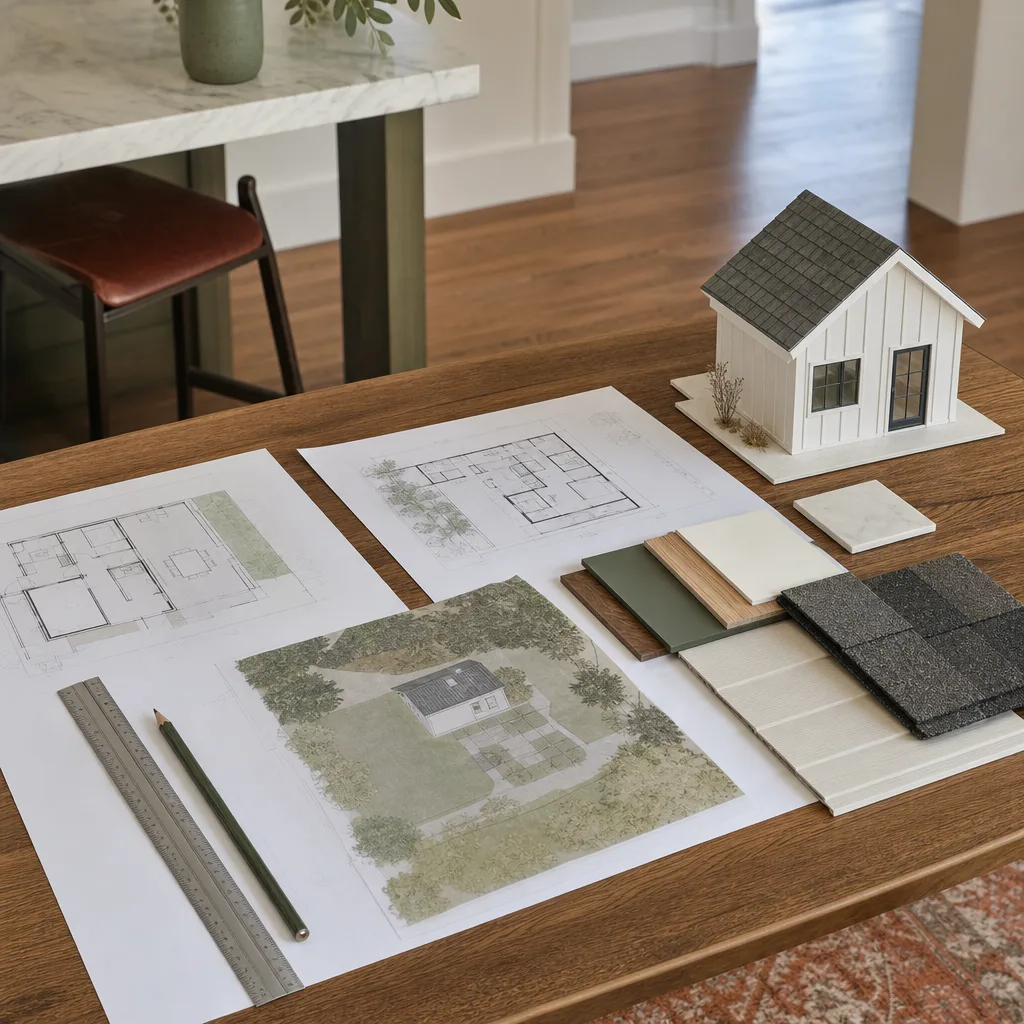
For a standard site-built or prefab ADU with a clean survey and no historic overlay, plan on 12 to 16 weeks from our first site visit to an issued permit. Plan review corrections and review board calendars add time in historic districts. We give you a realistic timeline on day one and stick to it.
It can almost always be salvaged. We take the existing application, review the correction letter from the city, and fix what’s wrong without resubmitting from scratch. That usually saves weeks compared to a fresh submittal. Call (210) 981-6358 and we’ll look at what you’ve got.
The design and permit set takes roughly three to four weeks from survey in hand to submittal. After submittal, the city’s review time drives the rest. We track it and respond to corrections the same week they come in.
Yes. We order HardiePlank, HardieTrim, and HardieSoffit through our supplier channels as soon as the permit is approved, and we stage it to arrive when the framing crew is ready. No sitting in the Texas sun for weeks waiting for the siding crew to show up.
Written by Ben Ortega, Owner, Seedling ADU San Antonio, serving San Antonio and nearby areas.


