
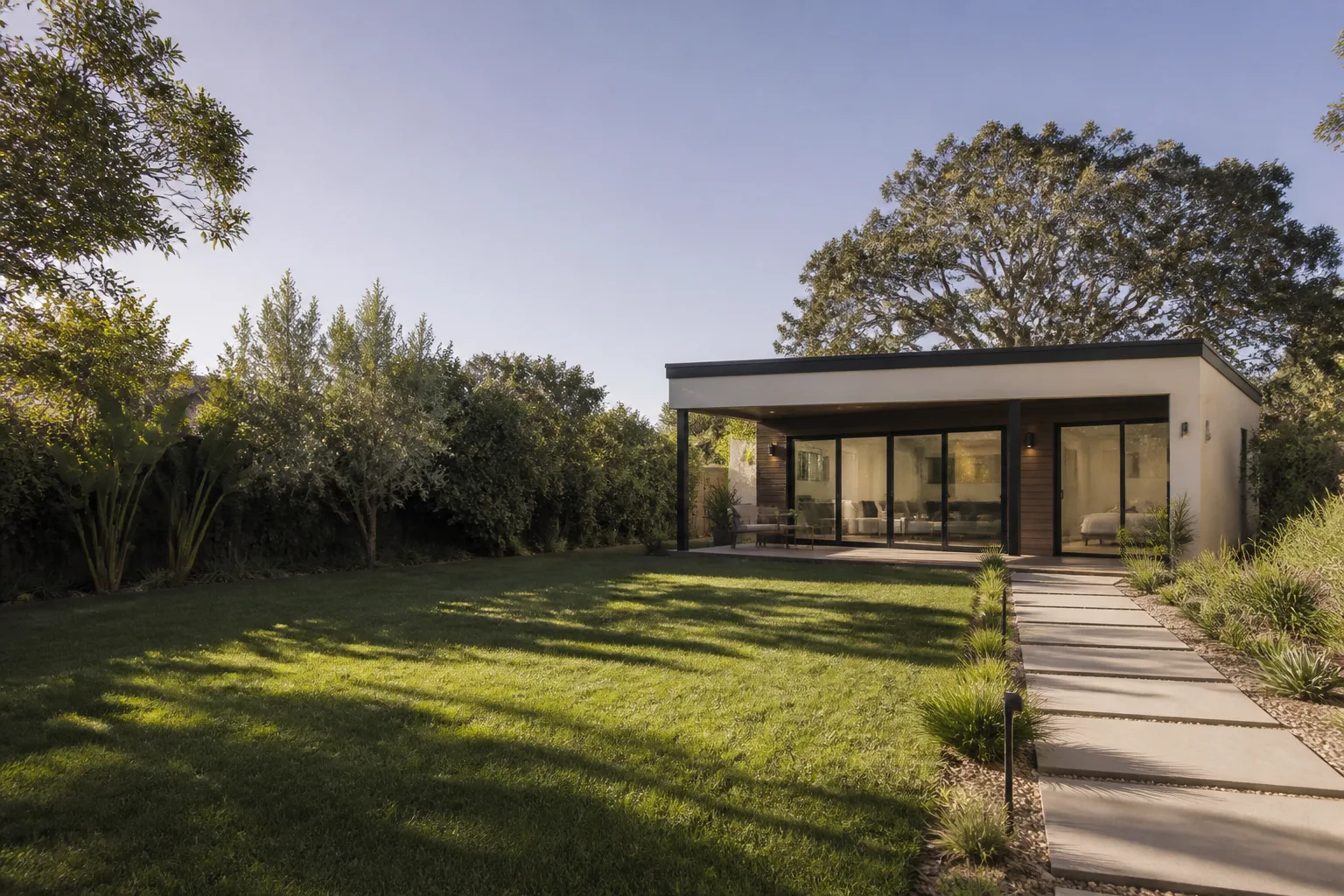
Why San Antonio Homeowners Choose Cover ADU
We provide independent San Antonio Cover service, repair, and installation across San Antonio, TX, from Alamo Heights to Helotes. Our team has installed, converted, and repaired dozens of Cover units, so we know exactly how Cover’s steel-framed, panelized builds behave in this city’s alkaline, expansive clay soil and punishing thermal cycles. We are not affiliated with or authorized by Cover. We are factory-independent, which means our recommendations focus on what your property actually needs, not a manufacturer’s warranty playbook. If your Cover unit has a sticking door, a musty smell, or a ceiling stain after a Hill Country downpour, call (210) 981-6358 and we’ll walk you through what we’re seeing and what it’ll take to fix it.
San Antonio’s ADU movement is shaped by its vast, rapidly growing suburban footprint and the city’s push for gentle density, but the real hook is the city’s unique tiered lot patterns and the prevalence of oversized, underused backyards in older neighborhoods like Jefferson and Beacon Hill. Homeowners there see an ADU as a way to offset rising property taxes and add multi-generational housing without leaving the block they love. A Cover unit fits that goal well on paper: steel-framed, panelized, engineered to go up clean. What most owners don’t anticipate is how San Antonio’s soil and humidity interact with that steel over time. That’s where we come in.
Why Trust Seedling ADU San Antonio for Your Cover ADU?
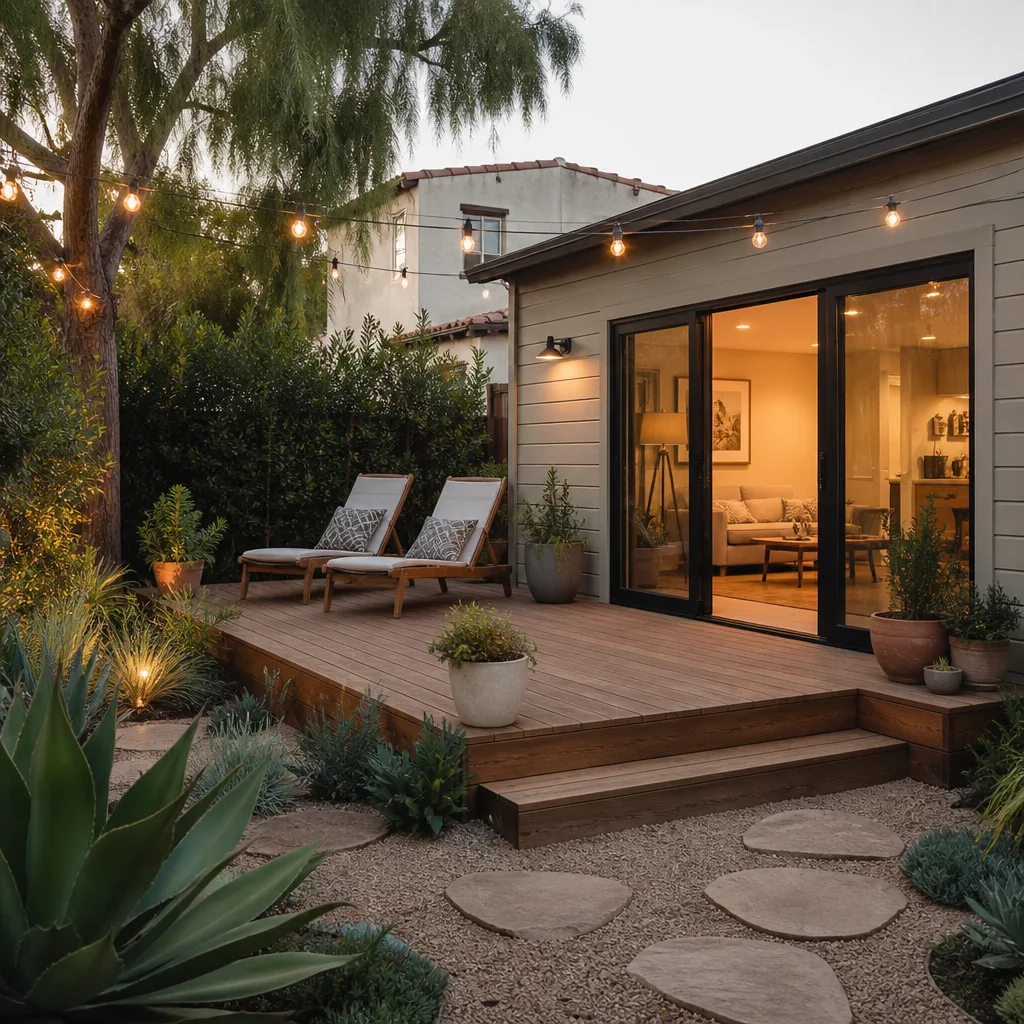
Ben Ortega, owner of Seedling ADU San Antonio, grew up in East Los Angeles and picked up his first framing nail gun in a vocational program at East Los Angeles College before spending years working residential construction across Southern California. He’s been leading ADU projects in and around San Antonio, including builds near the King William Historic District, for several years now. He knows this city’s soil, its permit process, and its summer heat well enough to plan around all three. Ben’s known for giving families a realistic timeline on day one and sticking to it. Tell me what you need the space to do, and we’ll figure out the rest from there.
When we service a Cover unit, we’re not learning the product on your dime. Our techs have pulled apart Cover’s panel-to-panel joints, re-flashed its low-slope roof modules, and corrected foundation-leveling issues on its prefabricated floor cassettes. We understand how Cover’s integrated foundation system behaves when it meets San Antonio’s expansive clay, and we know which panel connector hardware to source so the repair doesn’t become a warranty headache later. Every visit includes what we call the Cedarwell Care Promise: shoe covers and drop cloths inside your home, pet-safe products where there’s a choice, a photo of the clean-up before the crew leaves, and a live person available by phone 24/7 throughout the project. Your floors stay clean, your air stays breathable, and your kids’ nap schedule doesn’t get wrecked by a crew that forgot where the bedroom is.
Common Cover ADU Problems We Fix in San Antonio
Cover’s panelized system is well-engineered, but San Antonio’s soil, humidity, and storm patterns create a specific set of failure modes we see again and again. Here’s what actually goes wrong, and why:
- Binding or misaligned panel-to-panel joints from minor foundation settlement. San Antonio’s expansive clay swells when wet and shrinks when dry. Over a few seasons, even a well-poured slab can shift enough to pull Cover’s panel connectors out of alignment. You’ll notice a door that starts sticking, a hairline gap at a panel seam, or a window that suddenly needs a shove. We re-align the connectors, adjust the leveling shims, and in many cases prevent the problem from returning by improving drainage at the slab edge.
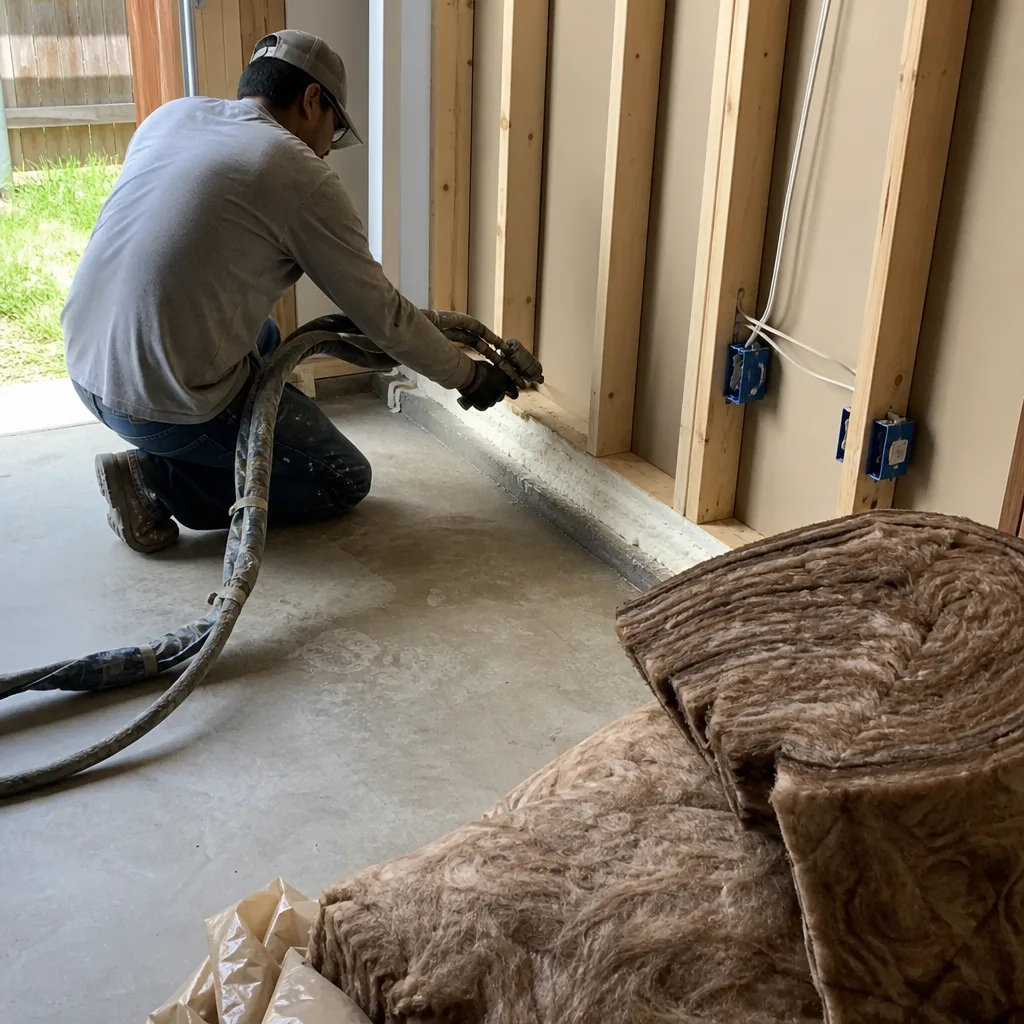
- Condensation on steel framing where the interior vapor barrier was punctured. Cover’s steel frame is strong, but steel conducts temperature fast. When humid San Antonio air finds its way through a small puncture in the vapor barrier, it condenses on the cold steel behind the drywall. You’ll smell it before you see it: damp drywall, a musty odor, bubbling paint along an east wall. The fix is finding the puncture, usually at a plumbing or electrical penetration, and sealing it properly with a self-adhered membrane and butyl tape.
- Inadequate flashing at roof-to-wall transitions on Cover’s low-slope roof modules. Heavy Hill Country downpours can drive water sideways. If the flashing at the roof-to-wall transition wasn’t lapped and sealed correctly, water works its way under the roofing membrane and follows the steel framing down to the ceiling. The telltale sign is a water stain on the interior ceiling that appears days after the rain, not during it. We pull the affected flashing, inspect the dry-in, and re-install with proper lap order and sealant.
- Sagging or squeaking of the prefabricated floor cassette. Cover’s floor cassettes ship with factory-installed leveling shims. When those shims aren’t adjusted for San Antonio’s uneven slab tolerances, the cassette can rock slightly underfoot. You’ll feel a soft spot or hear a squeak in the same place every time. We re-level the cassette, adjust or replace the shims, and tighten the ledger connections. It’s a half-day fix that makes the whole unit feel solid again.
- Panel gasket failure at the exterior envelope. The gaskets between Cover’s exterior panels degrade faster in San Antonio’s UV-heavy summers than they would in a milder climate. Once a gasket cracks or compresses permanently, air and moisture get into the wall cavity. We replace gaskets with UV-resistant materials and re-seal the panel perimeter before the drywall ever knows the difference.
Cover Parts & Our Repair-vs-Replace Approach
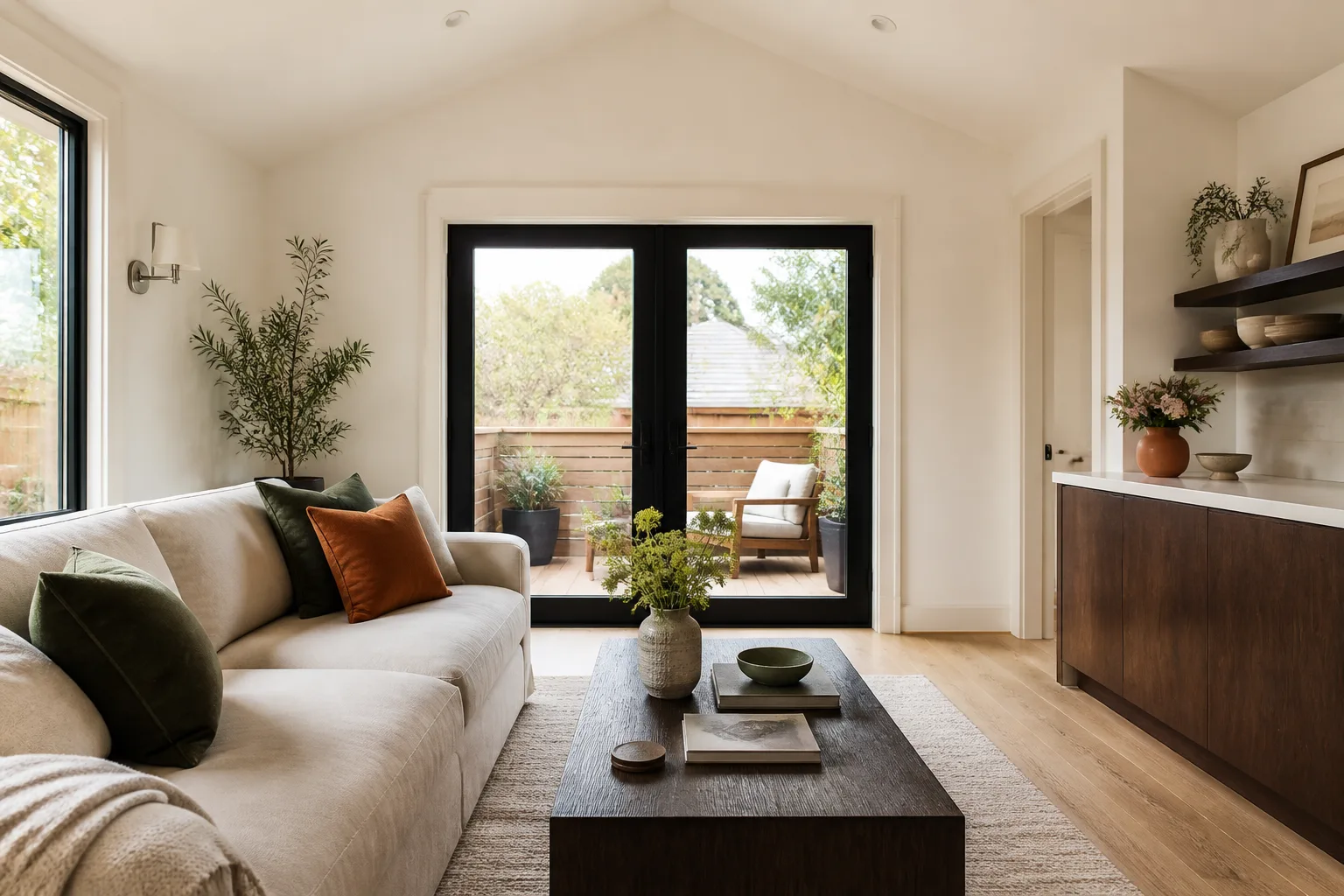
For Cover units, we source original-equivalent panel connector hardware and weather-resistive barriers from Cover’s commercial suppliers when possible. For obsolete trim or flashing, we fabricate matching profiles from local metal shops here in San Antonio, so you’re not waiting six weeks on a factory backorder. We stock common connector pairs, gasket material, self-adhered membrane, and butyl tape locally, which means most repairs start the same week we diagnose them.
Our repair-vs-replace stance is simple: we will repair a damaged panel or connector rather than replace an entire module unless structural integrity is compromised. Cover’s panelized system makes selective repair cost-effective. A single damaged panel is not a reason to replace a wall section. A compromised panel connector is not a reason to re-order a module. We tell you what the honest fix is, what it costs, and how long it’ll last before we ask for a signature on anything. Call (210) 981-6358 and we’ll give you a written price before any work starts.
Our Cover Service Process – Step by Step
- 1
Diagnosis. We inspect the unit’s panel seams, roof flashing, foundation edge, and interior surfaces. For moisture issues, we use a moisture meter on the drywall and steel framing to map exactly where the water is traveling, not just where it’s showing up.
- 2
Written repair plan. You get a line-item price for the repair before we touch a tool. That’s standard for every Seedling ADU San Antonio job: a written price before work starts, no surprise line items added after the crew arrives.
- 3
Repair or install. Our background-checked, uniformed techs handle the work with shoe covers and drop cloths where the job takes us inside the home. For panel or connector work, we protect the surrounding area and clean as we go.
- 4
Test and verify. After the repair, we check panel alignment, door and window operation, and moisture readings. We don’t call a job done until the numbers look right and the unit feels solid underfoot.
- 5
Written warranty. Every repair and installation is backed by our 365-Day Done Right Promise: if it’s not done right, we make it right. You get that in writing, every time.
We had a Cover Backyard Studio in Stone Oak where the owner complained of a musty smell and bubbling paint on the east wall. Our tech pulled the interior panel and found the factory vapor barrier had been sliced along a plumbing rough-in, letting humid San Antonio air condense on the steel frame. We replaced the barrier with a self-adhered membrane, sealed the penetration with butyl tape, and reinstalled the panel. No more odor. The client upgraded to a full dehumidifier system afterward, which we recommend for any Cover unit in San Antonio that’s running a shower or kitchen without mechanical ventilation.
Cover Products We Service & Install in San Antonio
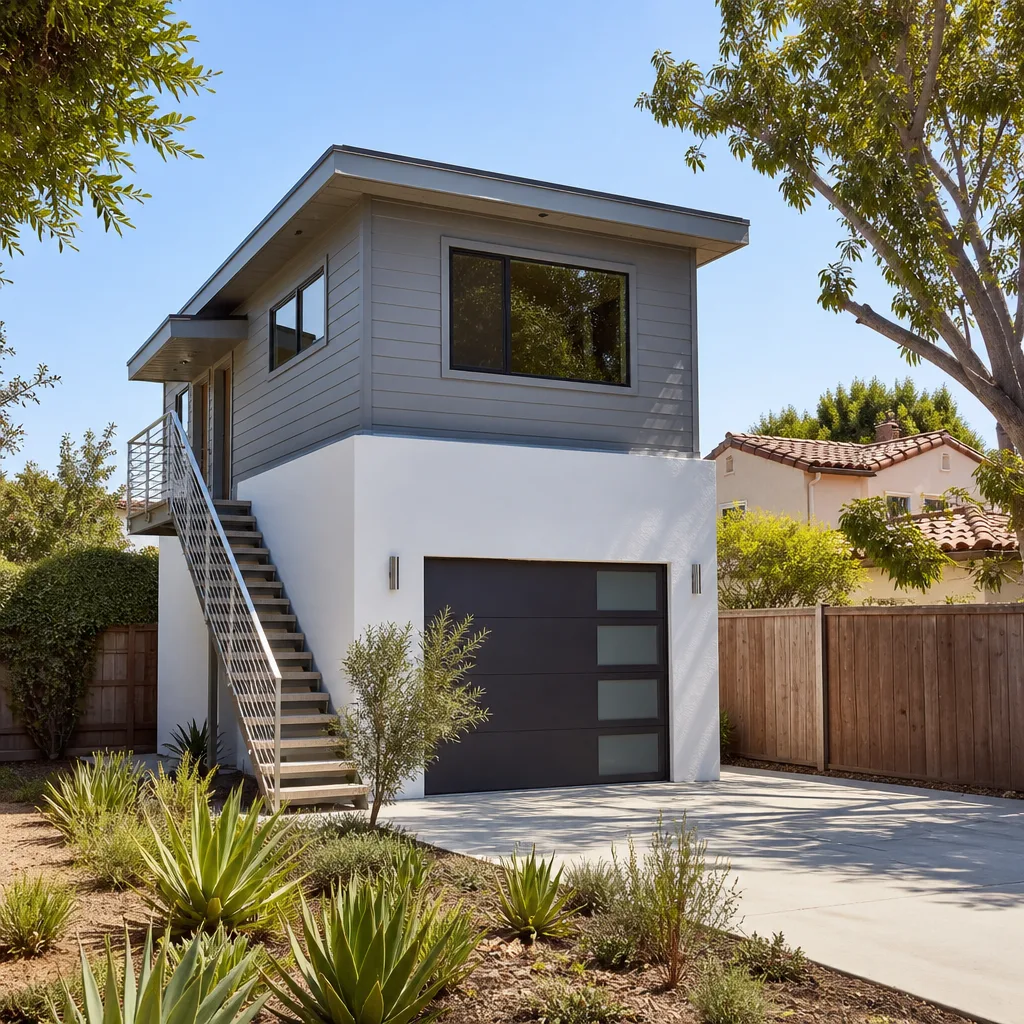
We service and install the full Cover product family: the Cover S Series in studio and one-bedroom configurations, the Cover Backyard Studio, the Cover ADU with its integrated foundation system, and the Cover prefab panel kit for custom-sizing needs. We stock common connection hardware and weather barrier materials locally for the S Series and Backyard Studio, which are the two product lines we see most often in San Antonio’s in-town neighborhoods. If your unit was built on the integrated foundation system, we also handle the slab, grading, and drainage corrections those units need on our expansive clay soils.
Every install includes foundation and grading assessment, site assessment, and full prefab installation with our crew managing the crane or lift coordination. We’ve handled enough Cover panel deliveries to know what the truck needs, where the panels stage on-site, and how to sequence the lift so the panel seams land square on day one.
We Also Service These Brands
We’re not a single-brand shop. Along with Cover, our crews service and install Abodu and Dvele units across San Antonio. Working across three panelized and prefab brands gives us a useful perspective: we can tell you honestly which brand’s envelope details hold up best on a given San Antonio lot, and which foundation system makes sense for your soil. We’re not here to sell you a brand. We’re here to help you get a livable space that doesn’t fight this city’s climate.
FAQs – Cover ADU Service in San Antonio
Yes. San Antonio’s expansive clay moves with moisture, and a Cover steel frame doesn’t flex to absorb that movement. The foundation has to do that work. We recommend a slab designed with proper steel reinforcement, deeper perimeter beams where soil conditions call for it, and drainage that moves water away from the slab edge before it can cause differential heaving. That’s what we assess during every site evaluation.
In most cases, yes. Non-load-bearing interior partitions can be framed and anchored to the floor cassette and ceiling framing without cutting into Cover’s structural wall panels, which is why many clients also explore our Home Addition Contractor services for larger reconfigurations. That approach protects the building envelope and keeps the work warranty-safe. Load-bearing changes, like removing a wall panel to open up a room, are a different conversation and need a structural review first. Call (210) 981-6358 and we’ll tell you which one your project is.
Sweating on steel roof beams almost always means humid interior air is reaching the cold steel and condensing. The source is typically a punctured or poorly sealed vapor barrier, or a bathroom fan that’s venting into the roof cavity instead of outside. We find the breach, seal it with self-adhered membrane and butyl tape, and verify the ventilation is doing its job. Then we address the moisture that’s already in the cavity so you don’t get mold growth behind the drywall.
We stock common connector pairs, gasket material, and weather-resistive barrier products locally in San Antonio. For less common hardware, we source original-equivalent parts from Cover’s commercial suppliers. In the rare case where a part is obsolete, we fabricate a matching profile from a local metal shop. You won’t be waiting on a factory backorder for routine work.
Cover builds standalone, panelized units. But if you have an attached garage you want to convert, we do that work as a separate project. Depending on the existing structure’s condition, a garage conversion is often the more economical path for an in-town San Antonio lot where a full backyard unit or Cover ADU in Selma, TX isn’t feasible. We can assess both options and give you a written price for each before you commit to either one.
A Cover ADU in San Antonio typically costs between $180,000 and $350,000 depending on the model, site work, foundation requirements, and utility connections, while New Braunfels Cover service pricing follows similar model ranges. The Cover S Series studio is on the lower end of that range, while a larger custom panel kit with an integrated foundation system lands higher. Service and repair work runs a much smaller range; a typical wall-panel moisture repair or connector re-alignment costs a few hundred to a few thousand dollars. Call (210) 981-6358 for a written line-item quote on your specific project. Estimates are free.
Book Your Cover Service in San Antonio, TX
If your Cover unit is sticking, sweating, squeaking, or leaking, don’t wait for the drywall to tell you the rest of the story. Call (210) 981-6358 and tell us what you’re seeing. We’ll give you a straight answer about what’s wrong, what it costs, and what we’ll do when we get there. Written price first. Clean floors and a clean-up photo at the end of every visit. Backed by the 365-Day Done Right Promise.
Written by Ben Ortega, Owner at Seedling ADU San Antonio, serving San Antonio since 2019.


