A free site visit, a check of what your lot allows and a written, line-item price.
Get your free estimateHow Much Does an ADU Cost in San Antonio?
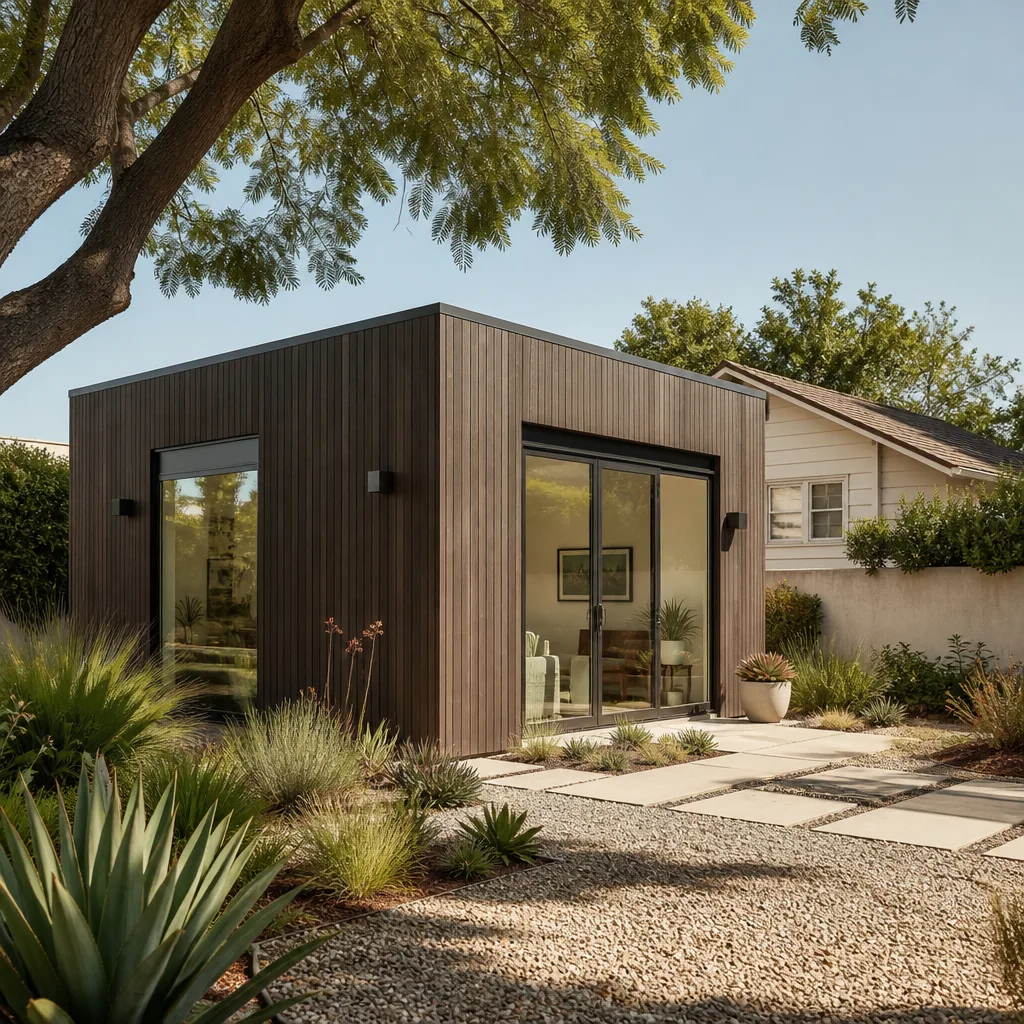
An accessory dwelling unit in San Antonio typically costs between $180 and $320 per square foot all-in, which puts most projects somewhere between $120,000 and $280,000 depending on size, finish level, and site conditions. A 600-square-foot one-bedroom ADU usually lands around $140,000 to $190,000, while a larger two-bedroom unit of 1,000 square feet or more commonly runs $220,000 to $300,000. Those figures include permits, utility connections, foundation work, framing, finishes, and appliances.
Prefab and modular options from brands like Abodu, Cover, and Boxabl can shift the range downward on the labor side, though site preparation costs in San Antonio’s limestone-heavy soil remain fairly consistent no matter which construction method you choose. Ben Ortega and the team at Seedling ADU San Antonio walk every homeowner through a written price before any work starts, so you’ll know your actual number, not a national average.
Key takeaways:
- Most San Antonio ADUs cost $120,000 to $280,000 total
- Per-square-foot pricing runs $180 to $320
- Garage conversions typically cost 25-40% less than new detached ADUs
- Prefab ADUs can save $30,000 to $60,000 compared to stick-built in some cases
- Permits in San Antonio add roughly $4,000 to $9,000 to the total
- Written pricing is available before any work begins, at no cost
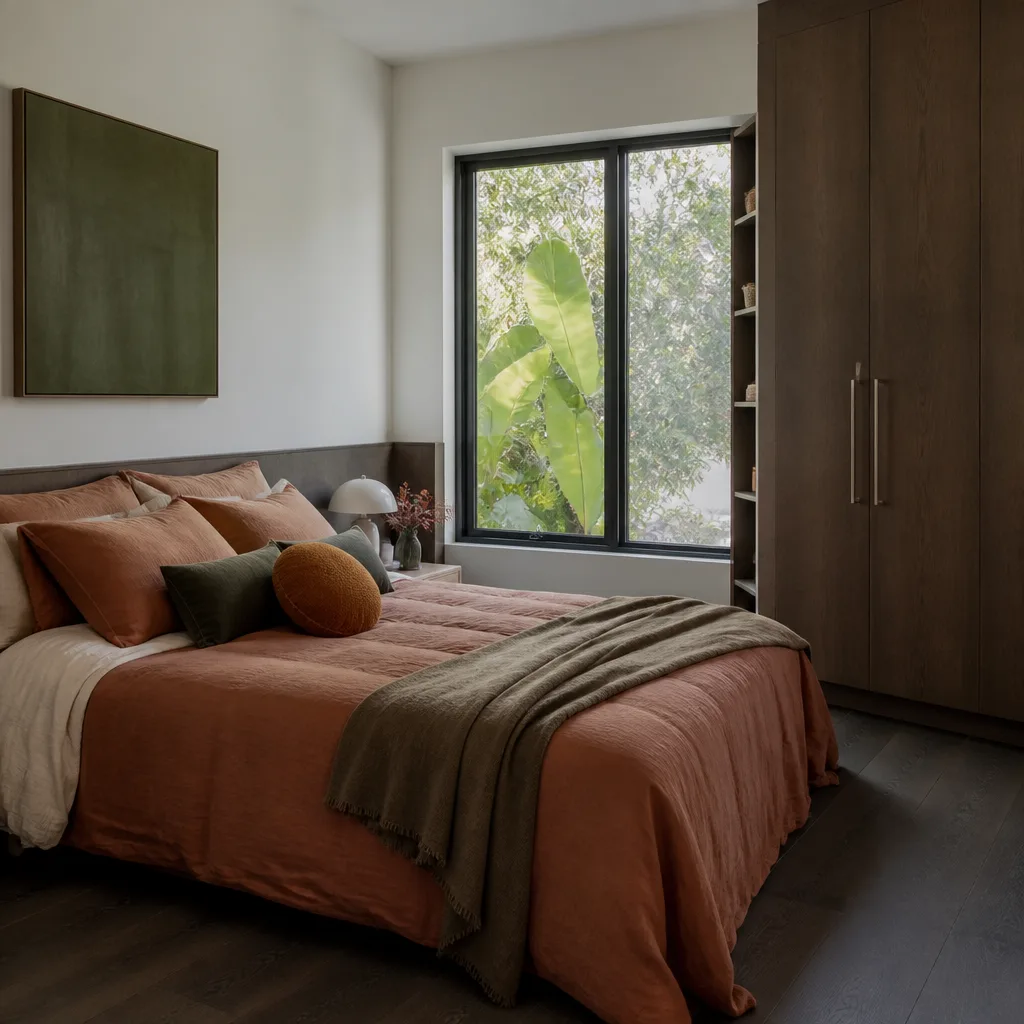
ADU Cost Breakdown in San Antonio (2026)
Here’s what a typical detached ADU project in San Antonio looks like line by line. These ranges reflect current 2026 pricing across Bexar County, including neighborhoods like Alamo Heights, Stone Oak, Helotes, Converse, and the near-East Side where infill lots tend to have tighter setbacks.
| Cost Category | Typical Range (600 sq ft) | Typical Range (1,000 sq ft) |
|---|---|---|
| Design & architectural plans | $6,000 – $12,000 | $9,000 – $18,000 |
| City of San Antonio permits & fees | $4,000 – $7,500 | $5,500 – $9,000 |
| Site prep & foundation | $12,000 – $22,000 | $18,000 – $32,000 |
| Utility connections (water, sewer, electric) | $8,000 – $18,000 | $10,000 – $22,000 |
| Framing & shell | $35,000 – $60,000 | $55,000 – $95,000 |
| Plumbing, electrical, HVAC | $18,000 – $32,000 | $28,000 – $50,000 |
| Interior finishes (flooring, drywall, paint, trim) | $20,000 – $35,000 | $32,000 – $55,000 |
| Kitchen & bath fixtures, appliances | $12,000 – $25,000 | $18,000 – $38,000 |
| Landscaping & exterior cleanup | $3,000 – $8,000 | $5,000 – $12,000 |
| Total estimated cost | $118,000 – $219,500 | $181,500 – $331,000 |
Garage conversions run lower because the shell, foundation, and roof already exist. In San Antonio, converting a two-car garage into a one-bedroom ADU typically costs $80,000 to $150,000. You’ll still pay for new insulation, drywall on the existing walls, upgraded electrical, plumbing rough-ins, and finishing, but you skip the big-ticket structural line items.
Prefab and modular ADUs from Cover, Dvele, Mighty Buildings, and Plant Prefab can compress the framing and finishes line items significantly. Where a stick-built 600-square-foot unit might cost $55,000 to $95,000 for shell and finishes, a prefab shell of the same size can land between $70,000 and $150,000 delivered and set, depending on the brand and level of factory finish. That’s not always cheaper on paper, but it does shorten on-site construction time, which means less daily disruption for your household. The real savings usually show up in site labor and project duration, not necessarily in the purchase price of the unit itself.
What Affects ADU Pricing in San Antonio
No two San Antonio lots are the same, and the pricing spread between two identical floor plans can be $40,000 or more depending on what’s under the grass and what the city requires. These are the factors that move the number the most in our market.
- Soil and foundation conditions. Much of San Antonio sits on expansive clay with limestone shelves just below the surface. If your lot has significant grade change or requires pier-and-beam work instead of a standard slab, foundation costs can climb by $8,000 to $20,000. In areas like Helotes or the Hill Country fringe, rock excavation sometimes adds another $3,000 to $7,000.
- Setback and lot size constraints. The City of San Antonio allows ADUs on most single-family residential lots, but corner lots, flag lots, and properties in historic districts like King William or Monte Vista come with additional design review requirements. A 500-square-foot footprint that fits comfortably on a quarter-acre Stone Oak lot may not work at all on a 0.15-acre Tobin Hill parcel without a variance, and variances cost time and money.
- Utility distances and connections. If your ADU site is far from the existing sewer lateral and electrical panel, trenching costs add up fast. Running a new sewer line 60 feet across a backyard in Converse might cost $4,000, while the same connection 10 feet from the main line costs under $1,500. Electrical panel upgrades, needed on roughly one in three San Antonio homes built before 1990, add $2,500 to $6,000.
- Finish level and appliance choices. A builder-grade kitchen with stock cabinets and laminate counters runs $8,000 to $12,000. The same footprint with soft-close cabinetry, quartz counters, and mid-range stainless appliances runs $16,000 to $24,000. These choices matter more per square foot in an ADU than in a full-size home, because there’s less room to spread the cost.
- Prefab vs. stick-built vs. garage conversion. The construction method changes both the price and the timeline. A Stick-built ADU gives you complete design flexibility but costs the most per square foot and takes 6-10 months. A prefab ADU from Abodu, Cover, or Boxabl typically takes 3-6 months from permit to move-in and may cost less in total when site work is minimal. A garage conversion is usually the least expensive option because the structure already exists.
- Floodplain and drainage requirements. Parts of San Antonio, especially neighborhoods near Salado Creek, Leon Creek, and some older sections of the city, sit in FEMA-designated flood zones. Building in a floodplain triggers elevation certificates, additional drainage engineering, and sometimes raised foundations that add $10,000 to $30,000 to the project.
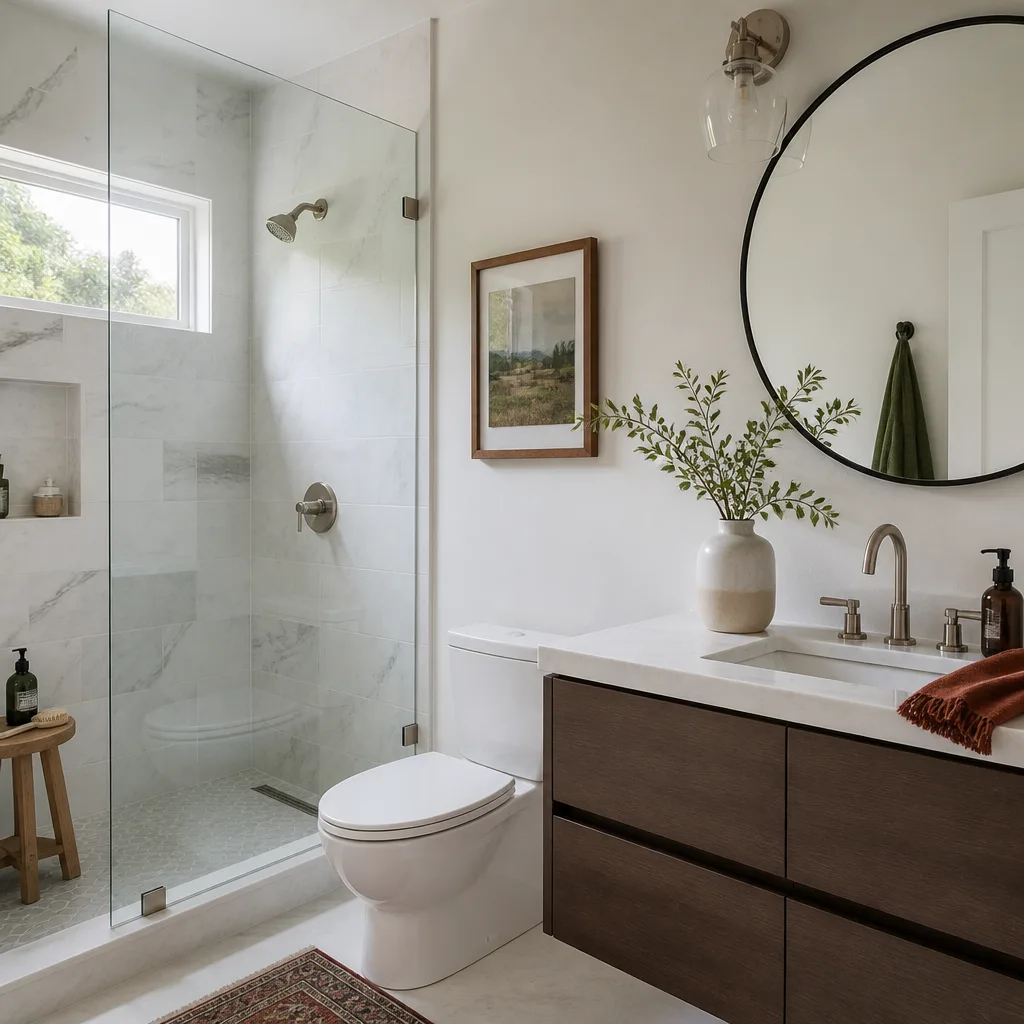
How Much Does a Garage Conversion Cost in San Antonio?
A garage conversion in San Antonio costs $80,000 to $150,000 on average, or roughly $130 to $220 per square foot for the converted space. That price turns an existing two-car garage into a one-bedroom, one-bath ADU with a small kitchenette, independent entrance, and its own electrical subpanel.
That range assumes the garage slab is in good shape, the roof doesn’t need structural repair, and the existing framing meets current code. When those assumptions don’t hold, the price climbs. In older neighborhoods like Jefferson, Beacon Hill, and parts of Woodlawn Lake, garages built in the 1940s and 1950s often need full electrical rewires, slab leveling, and roof reinforcement. Those repairs can push a conversion toward $180,000.
Garage conversions remain the most budget-friendly path to an ADU in San Antonio because you’re not paying for a new foundation, four new walls, and a new roof. What you are paying for: insulation, drywall, flooring, a bathroom rough-in (which means cutting into the slab for plumbing), dedicated HVAC, and bringing the electrical service up to code. The slab cut alone for a new bathroom typically runs $3,500 to $7,000 on its own.
How Much Does a Prefab ADU Cost in San Antonio?
Prefab and modular ADUs in San Antonio run $100,000 to $250,000 fully installed, depending on brand, size, and your site conditions. That includes the factory-built unit, delivery, crane or flatbed setting, foundation, utility hookups, and interior finish work not included in the factory package.
Different brands serve different budgets and priorities. A Boxabl Casita, which ships as a 361-square-foot studio, typically lands between $100,000 and $130,000 fully installed on a prepared San Antonio lot. An Abodu one-bedroom unit of 500-680 square feet generally runs $180,000 to $250,000 depending on finish package. Cover and Dvele units, which lean toward the higher end of design and energy performance, typically start around $220,000 and can exceed $350,000 for larger models. Mighty Buildings and Plant Prefab offer panelized and modular shells in the $150,000 to $280,000 range depending on customization.
One thing to know before committing to a prefab ADU: site work costs are the same regardless of whether the living space is built on-site or in a factory. You still need permits, foundation, utility trenches, and a crane or specialized equipment to set the unit. In San Antonio, plan on $40,000 to $70,000 in site work and connection fees even for a compact prefab unit. That’s one reason Ben Ortega recommends walking through the total budget with a written price before choosing a brand, so the site costs don’t arrive as a surprise after the factory deposit is already paid.
How to Save Money on Your San Antonio ADU
Saving money on an ADU doesn’t mean cutting corners that will haunt you later. It means making smart decisions about scope, timing, and materials. Here’s what actually moves the number down without compromising the finished home.
- Start with a garage conversion if you have one. You’ll skip foundation, framing, and roof costs entirely. That’s $40,000 to $80,000 saved on a typical project, which is money that can go into finishes and a comfortable floor plan instead of concrete and lumber.
- Choose a compact footprint. A 500-square-foot studio with a well-designed kitchen and full bath costs around $110,000 to $140,000 in San Antonio, while a 1,000-square-foot two-bedroom costs $220,000 or more. Smaller also means less to heat and cool, which matters in San Antonio summers when cooling bills run high.
- Keep the kitchen simple. A kitchenette with a two-burner cooktop, apartment-size refrigerator, and a small sink meets code for an ADU in San Antonio and costs $6,000 to $9,000 less than a full-size kitchen with a range, dishwasher, and full-depth counters.
- Choose mid-range finishes. Luxury vinyl plank flooring, quartz-look laminate counters, and stock shaker cabinets look good, hold up to kids and pets, and cost 30-50% less than hardwood, natural stone, and custom cabinetry.
- Compare prefab quotes against stick-built numbers. Sometimes prefab saves money; sometimes it doesn’t. The only way to know is to see itemized pricing for both methods on your specific lot. A free written estimate from Seedling ADU San Antonio gives you that comparison without any obligation.
- Feel free to call (210) 981-6358 with a budget in mind. We’ll tell you what’s realistic at that price point in San Antonio, and what trade-offs matter most for your lot and your family’s plans.
Is It Cheaper to Build an ADU or Buy a Bigger House in San Antonio?
Building an ADU is almost always cheaper than selling your home and buying a larger one in San Antonio, especially when you factor in transaction costs. Moving to a house with an extra 600 square feet of living space typically means a $60,000 to $120,000 higher purchase price in the current San Antonio market, plus 6-8% in selling costs on your current home and closing costs on the new one. A 600-square-foot ADU built for $140,000 to $190,000 adds the same square footage without the move, without the Realtor commissions, and without pulling your kids out of their school district.
That math shifts if you need an additional 1,500 square feet and a bigger lot, but for most families looking to add a bedroom, a home office, or a rental unit, the ADU route wins on total cost. And unlike a larger house purchase, an ADU generates rental income if you choose to lease it. In San Antonio, a one-bedroom ADU in neighborhoods like Alta Vista, Mahncke Park, or Government Hill typically rents for $1,100 to $1,600 per month, which can offset a meaningful portion of the construction loan payment.
FAQs About ADU Costs in San Antonio
How much does a 600-square-foot ADU cost in San Antonio?
A 600-square-foot ADU in San Antonio costs $140,000 to $190,000 on average for stick-built construction, or $100,000 to $150,000 for a converted garage of similar usable space. Prefab units of that size run $130,000 to $200,000 fully installed depending on the brand and finish level. Call (210) 981-6358 and we’ll give you a written price for your specific lot.
What is the cheapest type of ADU to build?
A garage conversion is the cheapest path, running $80,000 to $150,000 in San Antonio because the shell already exists. The next most affordable option is a small prefab studio from a brand like Boxabl, which can land near $100,000 to $130,000 fully installed when site conditions are straightforward.
Can you build an ADU for under $100,000 in San Antonio?
Yes, but only in specific scenarios. A modest garage conversion with simple finishes can come in at $85,000 to $95,000. A small prefab studio on a lot with easy utility access can land under $100,000. A new detached stick-built ADU under $100,000 is achievable only if the unit is very small (under 400 square feet) and the finishes are basic. We’re happy to walk through what’s possible at your budget, with real numbers, before you commit to anything.
How much do permits cost for an ADU in San Antonio?
City of San Antonio permit fees for a typical ADU project run $4,000 to $9,000 depending on project size and valuation. That includes building permits, plan review fees, and trade permits for electrical, plumbing, and mechanical work. Historic district review, variance requests, and floodplain review fees add to that amount where they apply.
How long does it take to build an ADU in San Antonio?
Most detached ADUs in San Antonio take 6 to 10 months from the first design meeting to move-in day. Garage conversions typically run 3 to 5 months. Prefab and modular ADUs can be completed in 3 to 6 months when the site work is straightforward and the factory has production capacity available. We sequence the work to minimize disruption inside your existing house, which means quiet tools where possible and crews that respect school schedules, nap times, and pets.
Is a $50,000 ADU possible?
In San Antonio, a $50,000 ADU is not realistic for a permitted, code-compliant unit with a kitchen and bathroom. A permitted bathroom addition alone typically costs $25,000 to $45,000 in this market. Unpermitted weekend-project conversions exist, but they create problems at resale, with insurance, and with tenant safety. We’d rather help you understand what a realistic budget can accomplish, and point you toward the most affordable permitted path, even if that means a phased approach.
Why a Written Price Matters
The biggest fear we hear from San Antonio homeowners isn’t about the cost itself. It’s about the cost changing. They’ve heard stories from neighbors in Castle Hills or Shavano Park about a contractor who gave a verbal estimate, started work, and then “discovered” $40,000 in unforeseen conditions that somehow weren’t covered in the original number.
At Seedling ADU San Antonio, every project receives a written price before any work begins. That’s not a policy that applies sometimes, or to some project types. It’s the rule on every ADU, garage conversion, and home addition we build. Ben Ortega’s team walks the site, reviews the lot conditions, checks utility access points, and then puts the number on paper with line items you can review at your kitchen table. No surprise line items after crews arrive. No “we didn’t account for that” conversations after the slab goes in. If it should have been in the price, it’s in the price.
That written price matters even more now, in 2026, because material costs and labor rates in San Antonio have been moving unevenly. Lumber prices have stabilized since the wild swings a few years ago, but electrical components, HVAC equipment, and concrete have all climbed steadily. A written price locks your project’s scope and cost at a point in time, so the market doesn’t pull the rug out from under your budget midway through construction.
How Seedling ADU San Antonio Approaches Your Project
When we build an ADU on your lot, we’re building a new home on your property. It’s a small home, yes, but it has all the same systems: a foundation, framing, electrical, plumbing, HVAC, insulation, drywall, paint, fixtures, appliances. That means the process matters as much as the finished product.
Our crew operates under the Cedarwell Care Promise, which is the standard our parent company has held since 2001. On every job, on every visit, our technicians put shoe covers on before they walk through your house. Drop cloths go down anywhere tools or materials might touch your floors. Where there’s a choice between products, we use pet-safe options. Before the crew leaves for the day, someone takes a photo of the clean-up, so you can see the condition we left things in even if you weren’t home. And if you call at any hour during your project, a live person answers. No voicemail tree. No next-business-day callback.
For families with kids and pets, those details matter. A construction site in your backyard is disruptive enough without worrying about whether someone tracked mud through the living room or left a scrap of metal where a dog could find it. We train every technician on the Care Promise before they set foot on a San Antonio property, and Ben Ortega personally checks that the standard holds on every project he oversees.
We also give you real choices about construction method and materials. If you’re interested in a prefab ADU, we work directly with Abodu, Cover, Dvele, Mighty Buildings, Boxabl, Plant Prefab, Tuff Shed, and James Hardie materials. That means you can compare a factory-built Cover unit against a stick-built plan with James Hardie siding, weigh the timelines and the warranties, and choose what fits your lot and your budget. Most builders push whatever they prefer to build. We’d rather show you the options and let you decide what belongs in your backyard.
Every project we complete is backed by our 365-Day Done Right Promise. If something wasn’t done right, we make it right. That promise is in writing, and it covers every ADU, garage conversion, and home addition we build in San Antonio. It’s not a marketing line. It’s the same promise we’ve made on every project since we started building accessory dwellings here.
What to Do Next
If you’re serious about adding an ADU to your San Antonio property, the most useful thing you can do is get real numbers for your specific lot. The national averages and per-square-foot ranges on this page give you a starting point, but your actual price depends on your setback lines, your soil, your utility access, and a dozen other factors that only show up when someone actually walks the property.
Call (210) 981-6358 for a free estimate. You’ll speak with a live person, not an answering service. We’ll ask about your property, your goals for the ADU (rental income, aging parent, adult child, home office), and whether you’ve considered a garage conversion or prefab unit. Then we’ll schedule a time to walk the site and put together a written price with line items you can review at your own pace. No pressure, no obligation, and no surprises later.
If you’d like to see more about how we work before calling, explore our home page to learn more about Seedling ADU San Antonio and what families across Bexar County can expect when they build with us.
Pricing reflects the San Antonio market as of 2026. Seedling ADU San Antonio offers free estimates – call (210) 981-6358.
Written by Ben Ortega, Owner at Seedling ADU San Antonio, building accessory dwelling units, garage conversions, and home additions across San Antonio with written pricing before every job and the 365-Day Done Right Promise on every completed project.
What Our Customers Say
"Garage conversion into a studio. They sealed off the work area so dust didn't get into the house, and cleaned up every day before leaving. Calm, careful team to have around."
- Darnell Hobbs"Garage to studio conversion with us living right there. They sealed off the dust, cleaned up daily, and respected our quiet hours. No surprise costs. Beautiful."
- Terrence Boylan"Added a backyard cottage. The team protected our existing landscaping and left the yard clean every evening. Gentle, respectful, and they walked us through each stage calmly."
- Tamara Welsh