
James Hardie Site Prep & Utilities: The San Antonio Owner’s Guide
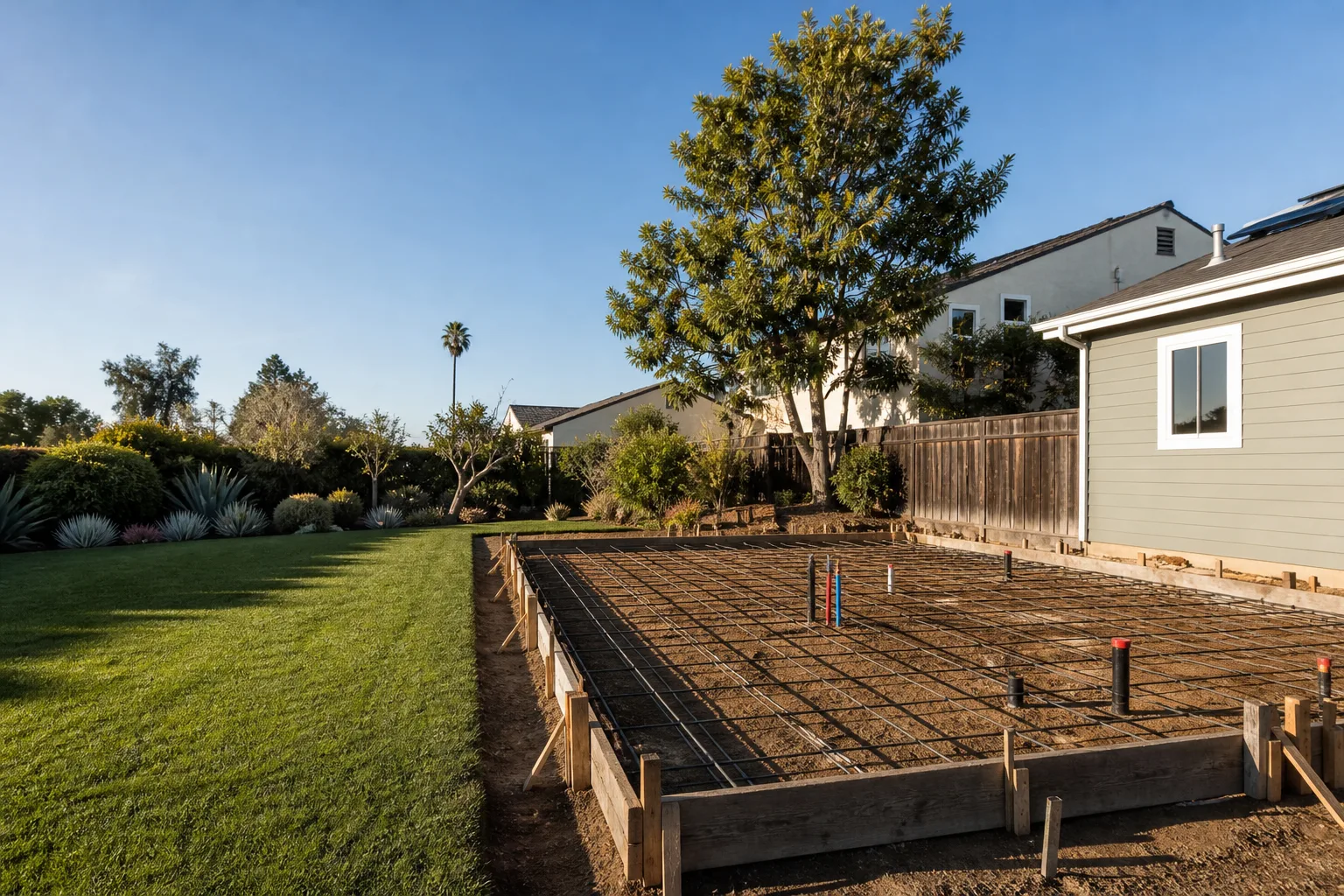
Site prep and utility rough-in for a James Hardie-clad structure in San Antonio typically runs $3,800 to $9,200 depending on lot conditions, soil, and how far your utility connections need to travel. We stock the fasteners, flashing, weep screeds, and trim components James Hardie installation requires, and we can usually match your existing siding profile the same day you call. Most owners discover a problem the hard way: a corner pops loose after a storm, water stains start bleeding through at the base of a wall, or a pre-purchase inspection flags missing kickout flashing behind a HardiePlank run.
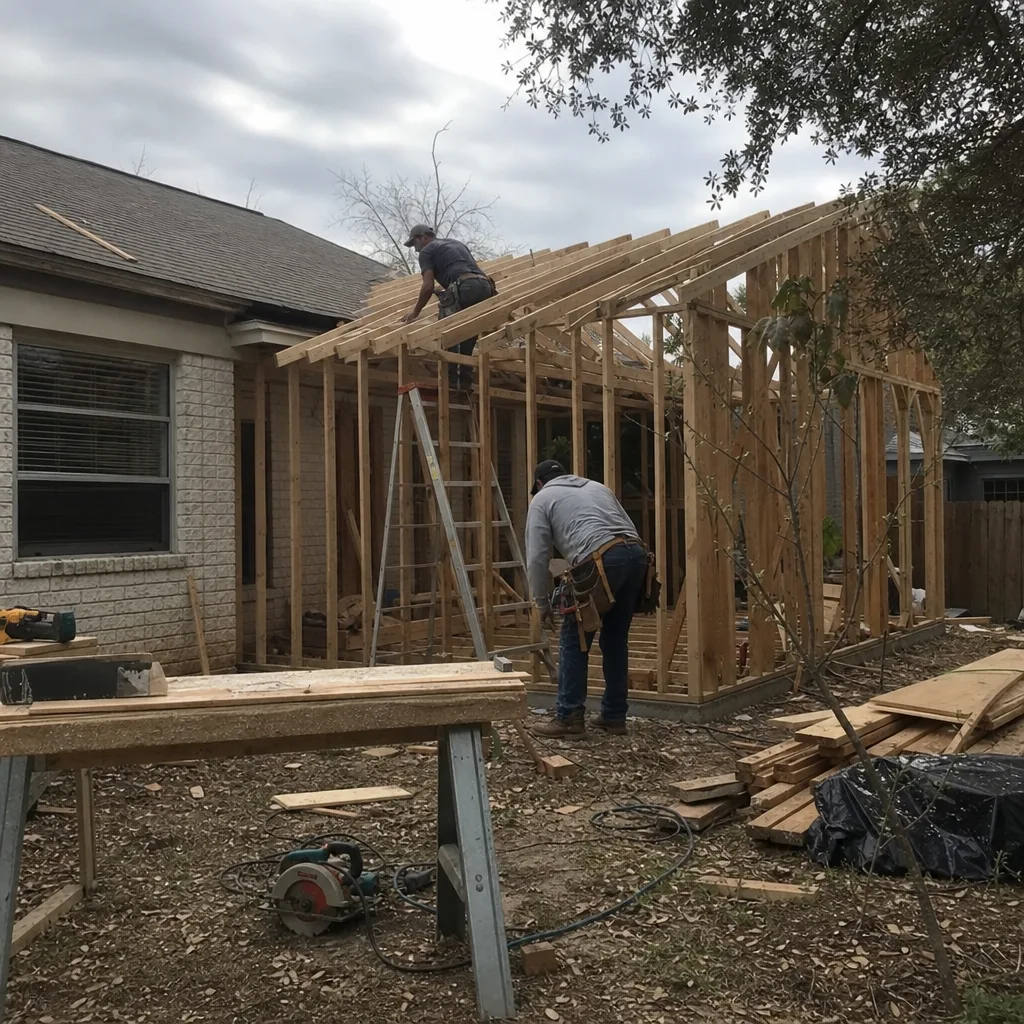
We’re Seedling ADU San Antonio, an independent service provider, not a James Hardie dealer or affiliate. That matters because we tell you what works with what, not what one brand wants us to push. Ben Ortega leads our crew, and he’ll be the first to tell you that San Antonio’s clay soil and summer heat do things to siding and its underlying prep work that don’t show up in a manufacturer’s generic install guide.
Which James Hardie Models This Applies To
Site prep and utility rough-in applies to every James Hardie product line installed in San Antonio: HardiePlank lap siding, HardiePanel vertical siding, HardieShingle, and HardieTrim boards, plus HardieSoffit on eaves and porch ceilings. The compatibility gotcha most owners miss is thickness. HardiePlank comes in 5/16″ and the 0.42″ Cedarmill profile. HardiePanel runs 5/16″ to 7/16″ depending on texture. The flashing, starter strips, and nail depth change with each one, and grabbing whatever’s on the shelf at a big box store leaves you with gaps a San Antonio windstorm will find within a year.
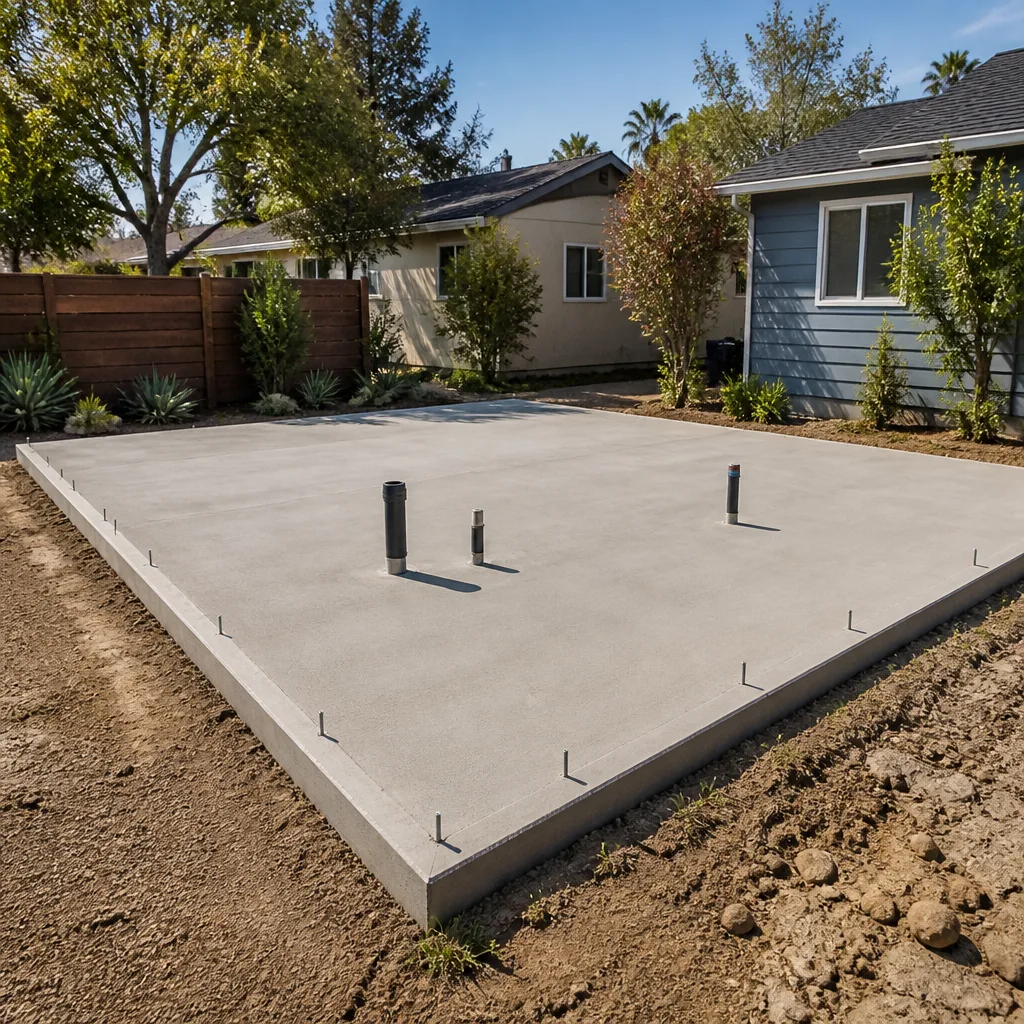
For utilities: if you’re roughing in electrical, plumbing, or HVAC for an ADU or garage conversion behind James Hardie siding, the utility runs need set back 1″ from the siding plane per current IRC, and penetrations through HardiePanel need sealed at the penetration with approved flashing, not caulk alone. We keep OEM Hardie flashing and HZ10-rated fasteners on the truck, and we use aftermarket equivalents only where they match or exceed the OEM spec. When we work with prefab brands like Abodu, Cover, or Dvele, their panels usually arrive pre-finished, but the site prep underneath is the same: level pad, capillary break, and utility trenches placed before the first panel goes up.
Signs Your James Hardie Site Prep & Utilities Is Failing
- Gaps opening at siding joints over time. San Antonio’s clay soil expands and contracts with rainfall, and any concrete or pier foundation without proper drainage slowly shifts, pulling Hardie boards apart at the seams. What looks like a siding problem is usually a prep problem underneath.
- Wicking or water staining at the bottom edge of HardiePlank courses. Missing or crushed weep screeds keep water from escaping behind the siding. In a San Antonio downpour, trapped water finds the path of least resistance, which is usually your wall framing.
- Corrosion or rust streaks near utility penetrations. Poorly flashed electrical or plumbing runs through HardiePanel let water track along the conduit or pipe, rusting the fasteners and staining the surrounding siding.
- Nail heads popping or siding that flexes under hand pressure. Undersized fasteners or incorrect nail pattern from the original install. James Hardie specifies 6d common nails or HZ10 fasteners no closer than 3/8″ to board edges, and “close enough” isn’t.
- Musty smell or visible mold inside the wall behind HardiePanel. This is the late-stage symptom that costs real money. It means water has been getting past the flashing long enough for organic growth to start, and the fix usually involves opening the wall, not just re-caulking the outside.
Replacement Cost & What’s Included
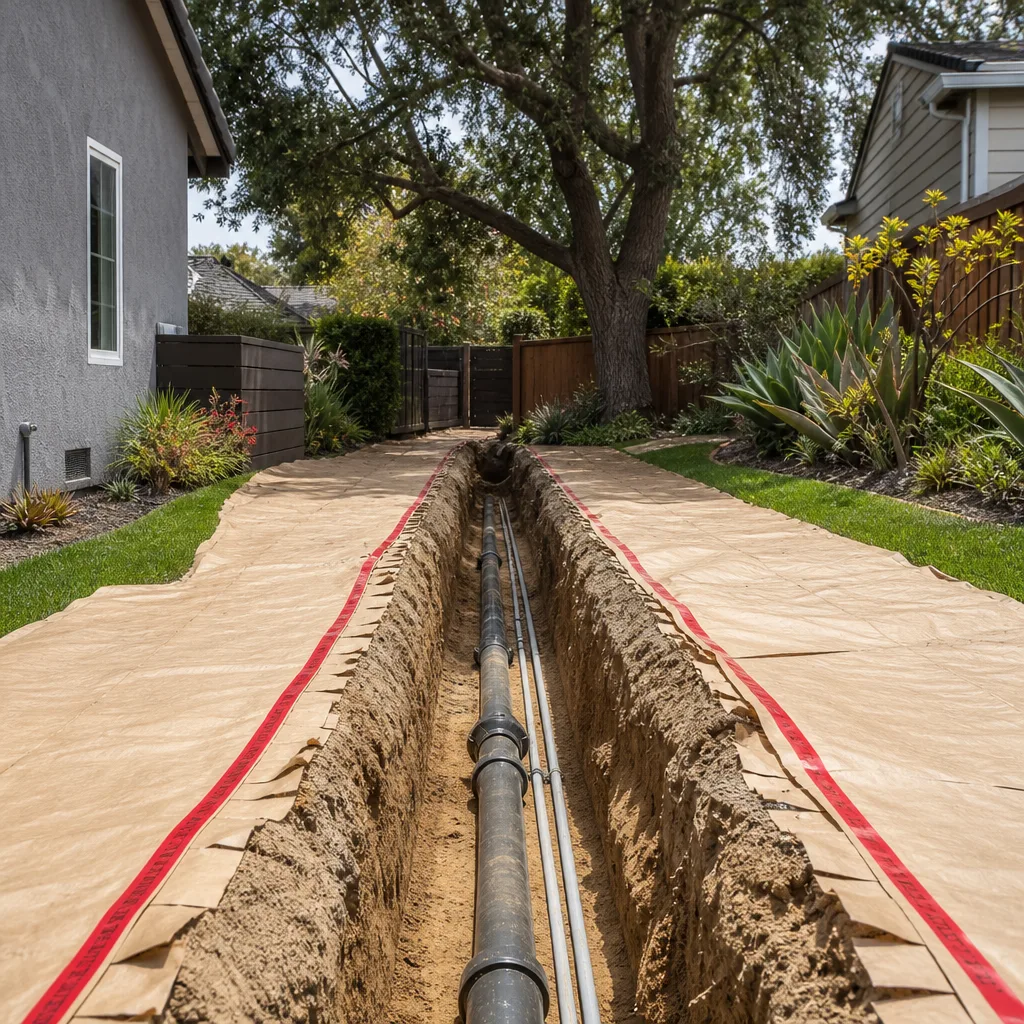
Here’s what we quote in San Antonio for James Hardie site prep and utility work, parts and labor included:
- Utility trenching and rough-in (electrical, plumbing, or HVAC) behind James Hardie siding: $2,200 – $4,800 per run depending on distance, depth, and whether we’re cutting through caliche or soft topsoil.
- Siding re-prep for an existing structure: $1,400 – $3,100, including removing failed flashing, replacing weep screeds, and re-fastening loose boards to correct nail pattern.
- Full site prep for a new ADU or garage conversion with Hardie siding: $3,800 – $9,200, including pad prep, capillary break, utility stub-outs, and inspection-ready flashing details.
- Flashing or starter strip replacement (small sections, 10 linear feet or less): $240 – $480, with the honest caveat that once one section of flashing fails, we usually want to inspect the rest while we’re on site.
Every quote is written before any work starts, and it stays that way unless you ask us to add scope. No surprise line items after crews arrive. The parts and labor are covered by our 365-Day Done Right Promise, so if flashing we install fails inside a year, we come back and fix it at our cost.
DIY or Call Us?
There are a few things you can safely check yourself: walk the perimeter and look for gaps at siding joints, check that dirt or mulch hasn’t piled up against the bottom edge of your Hardie boards, and verify no utility penetration has exposed caulk that’s cracked or pulling away. Those are eyes-on inspections, no tools required, and they’re genuinely useful.
What you shouldn’t attempt on your own is removing Hardie boards to reach flashing, rerouting electrical or plumbing behind siding, or any work that involves cutting cement-fiber products indoors without HEPA dust collection. Fiber cement dust is a respiratory hazard, and the crystalline silica in it is exactly what construction respirators are designed for. Getting flashing wrong means water damage you won’t see until the wall starts failing, and by then the fix costs triple. Call us at (210) 981-6358 and tell us what you’re seeing. If Ben’s on site, he’ll help you figure out whether it’s urgent or can wait for a scheduled visit.
FAQs
Properly installed site prep and flashing beneath James Hardie siding lasts the life of the siding, commonly 30 to 50 years in San Antonio, but the soil here can shorten that if drainage isn’t managed. Call (210) 981-6358 and we’ll assess your specific lot conditions.
Small sections of flashing and weep screed can often be repaired without removing the whole siding run, if we catch it early. If water’s already reached the framing, the repair becomes a wall job. We’ll scope it honestly and show you photos of what we found before quoting any fix.
Site prep and utility rough-in for a typical San Antonio ADU or garage conversion takes two to five working days depending on trenching conditions and inspection scheduling. Flashing repair on an existing structure can often be finished in one day. A live person answers our phone 24/7, so call (210) 981-6358 and we’ll give you a realistic date before we schedule anything.
We keep OEM James Hardie flashing, HZ10 fasteners, weep screeds, and starter strips on the truck, along with common trim profiles. Unusual profile colors or textures may need a two to four day lead time from our local supplier.
If your James Hardie siding’s flashing, drainage, or site prep is showing any of the signs above, call (210) 981-6358. Tell me what you need the space to do, and we’ll figure out the rest from there. You’ll get a written price before any work starts, and a crew that leaves your San Antonio home cleaner than they found it.
Written by Ben Ortega, Owner, Seedling ADU San Antonio at Seedling ADU San Antonio, serving San Antonio and nearby areas.


