
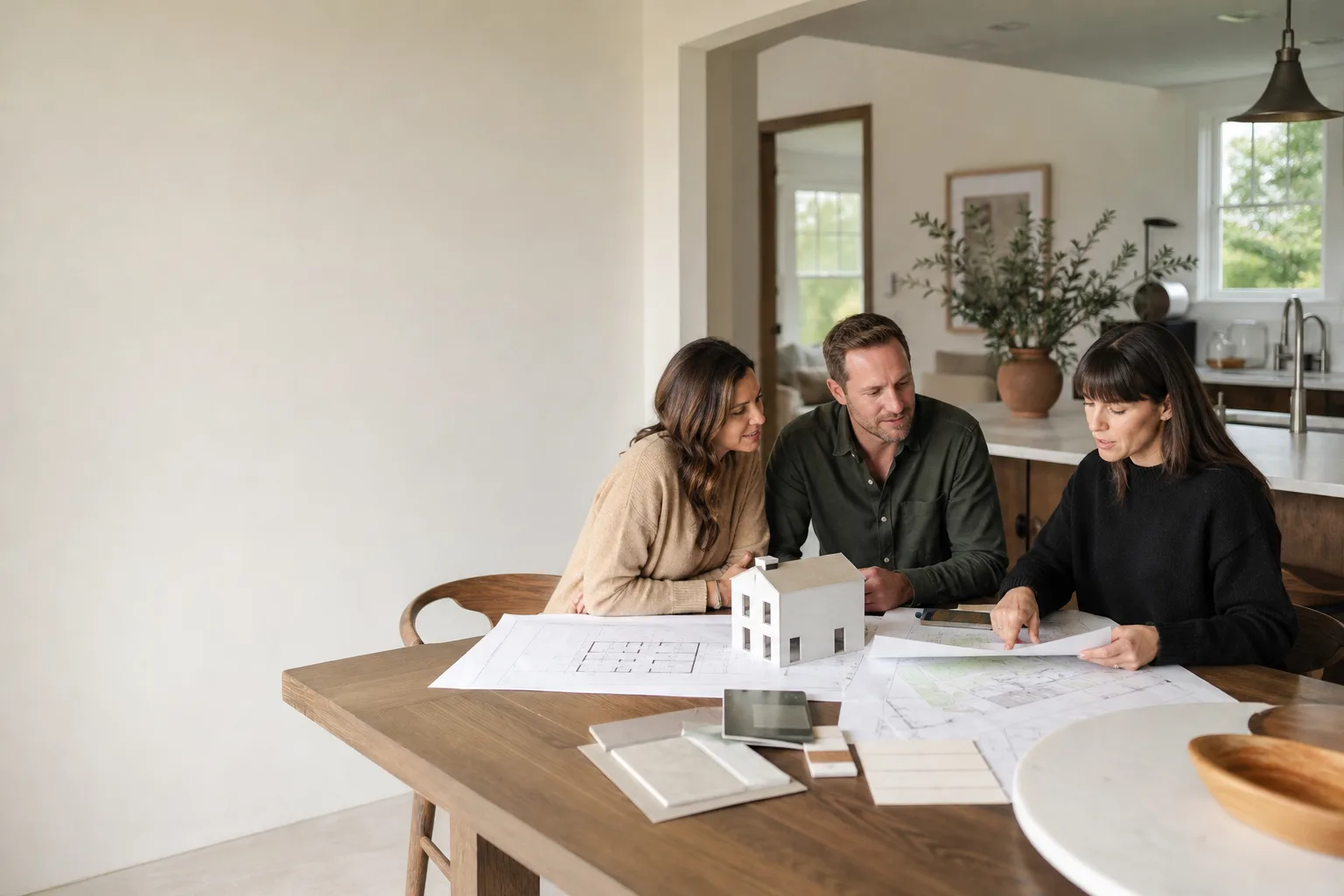
Mighty Buildings ADU Design & Permitting: The San Antonio Owner’s Guide
We stock and install Mighty Buildings-compatible components for ADU design and permitting projects across San Antonio, with most installed packages ranging from $4,500 to $11,000 depending on your model and the scope of work. Most owners call us the same week they realize their plans were drawn for the wrong setback line, or after the city kicks back a permit because the panel spec doesn’t match what’s actually on site. You’ll know something’s off when the drawings don’t match your lot, the energy calculations get rejected, or the whole process stalls without anyone telling you why.
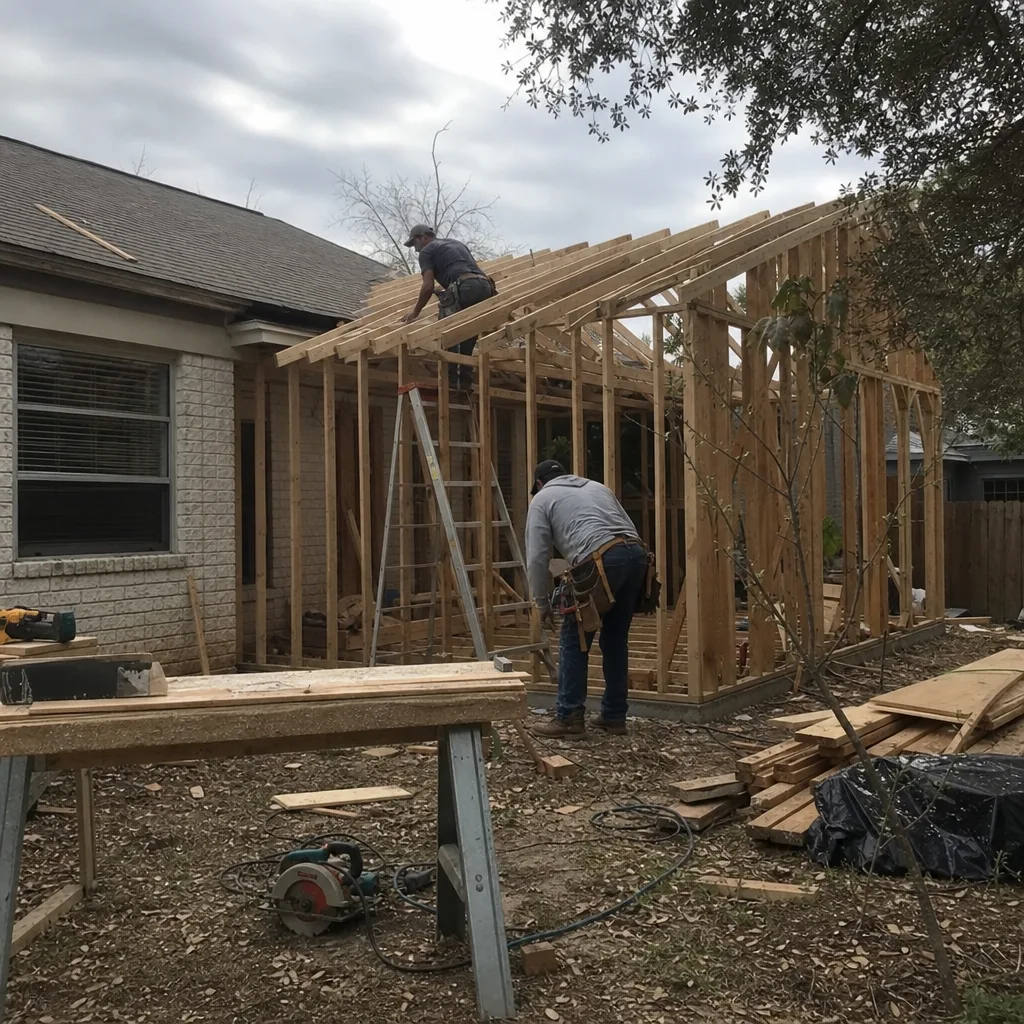
We’re an independent service provider, not affiliated with Mighty Buildings. That matters more than it sounds: we can tell you honestly when a design revision is the right call and when it’s not, because we’re not protecting a brand relationship. Ben Ortega has led ADU projects in San Antonio, including builds near the King William Historic District, and he knows this city’s permit process and soil conditions well enough to plan around both.
Which Mighty Buildings Models This Applies To
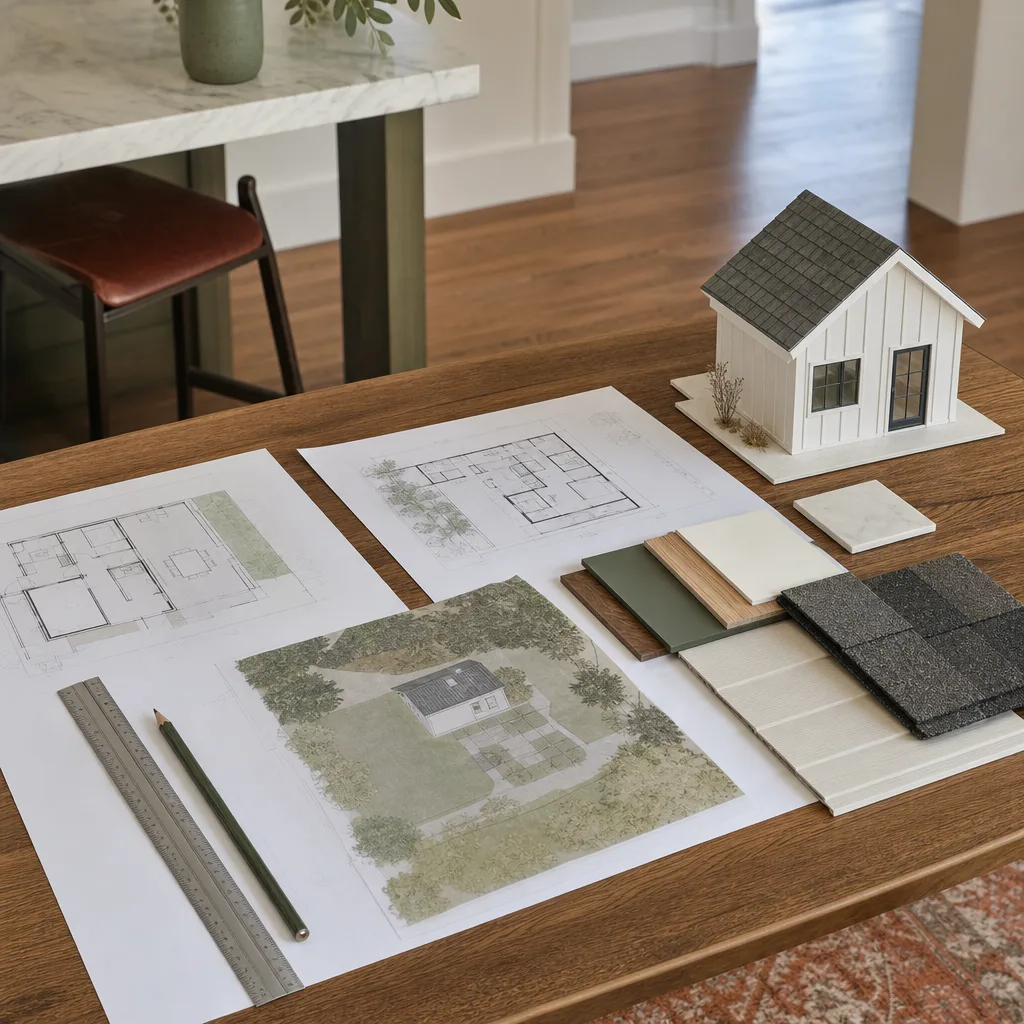
Mighty Buildings builds panelized ADUs in a few core series: the standard Studio (around 350 – 400 square feet), the One Bedroom (around 500 – 600 square feet), and the Two Bedroom (up to roughly 1,000 square feet). The design and permitting path differs by model, and not just because of square footage. The Studio often flies through San Antonio’s permit process as a simple accessory dwelling unit, while the Two Bedroom frequently triggers additional review because it approaches the city’s ADU size limits under the current development code.
The most common compatibility gotcha we see: Mighty Buildings panels are designed for specific foundation tolerances, and San Antonio’s expansive clay soil does not care about a California spec sheet. If your foundation plan doesn’t account for local soil movement, the city’s structural reviewer will flag it. We check that before we submit anything. Another checkable detail: the original Mighty Buildings panel set often uses a proprietary MEP chase layout that doesn’t match standard off-the-shelf rough-in drawings. An experienced draftsperson can fix this, but a generic permit service usually can’t.
For most owners, the right approach is a hybrid: keep the OEM engineering package where it’s already approved, and update the local adaptation documents – foundation, drainage, Title 24 energy forms (CalGreen equivalents apply in California, but San Antonio has its own IECC 2021 baseline). Aftermarket design work costs less than you’d think and often moves faster than waiting on updated factory sets.
Signs Your Mighty Buildings ADU Design & Permitting Is Failing
- The permit keeps getting bounced back for the same item. This usually means the original design package has a mismatch between the panel layout and the local structural review standard. The reviewer isn’t being difficult; they’re reading your drawings against San Antonio’s current code cycle, and the package isn’t aligned.
- Your design drawings show a setback that’s actually smaller than what the city records show. We’ve seen this in older San Antonio neighborhoods where the official lot line and the fence line have drifted apart over decades. The design package was built from the fence line, not the recorded plat.
- The energy compliance form uses the wrong climate zone. San Antonio is Climate Zone 2A. Some third-party packages default to Zone 4 because the template originated somewhere colder. The city will reject it, and it can take weeks to find the error if you’re not looking for it.
- The HOA or historic district review stalls. King William Historic District and other overlay zones have their own design review layers on top of city permitting. If your package didn’t include a narrative for the local board, it’ll sit there indefinitely.
- The foundation spec doesn’t match San Antonio’s soil report. Expansive clay moves with moisture, and a California-standard slab won’t hold up the same way here. The structural reviewer needs to see a San Antonio-specific foundation detail, not a generic one.
Replacement Cost & What’s Included
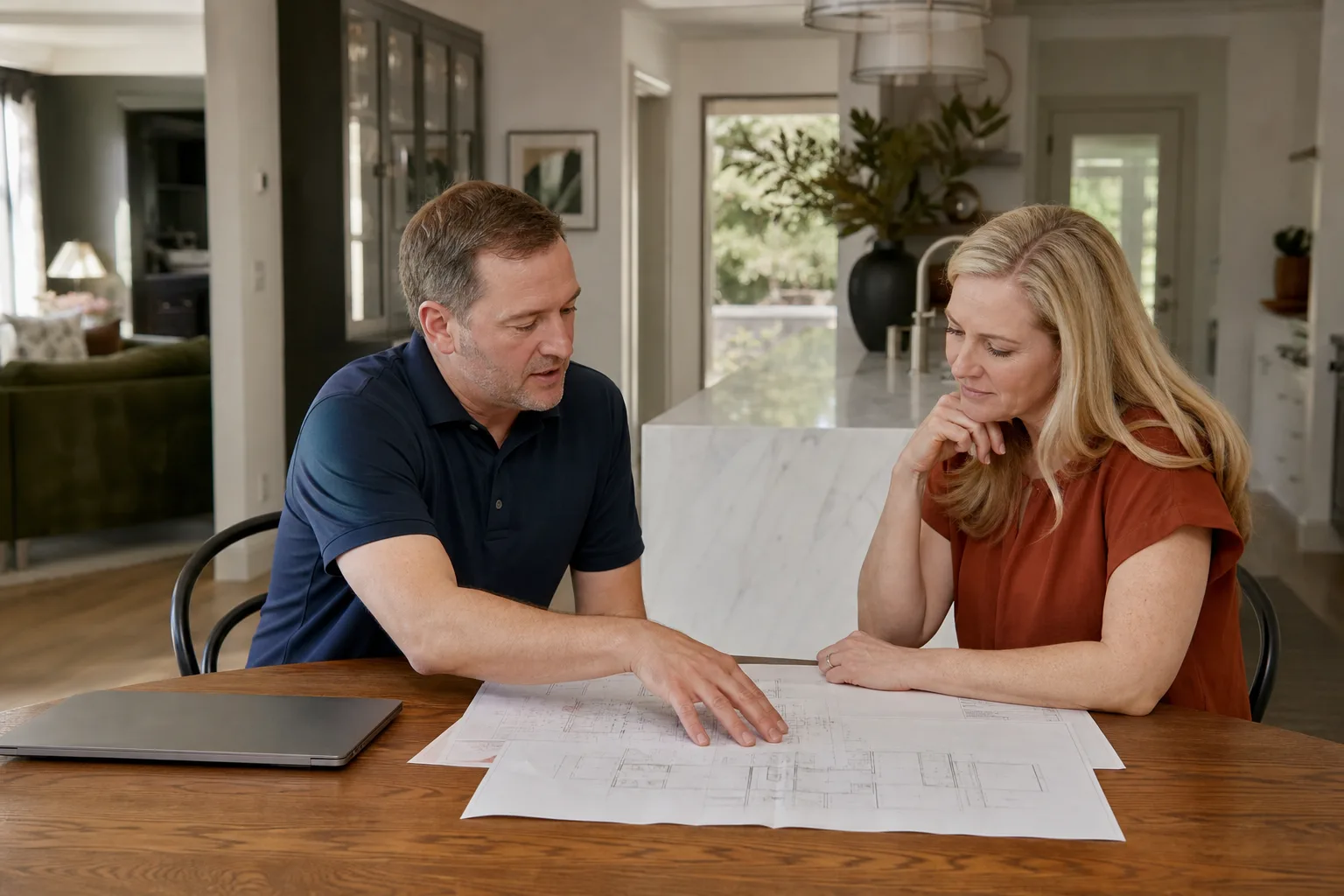
For Mighty Buildings ADU design and permitting in San Antonio, installed packages typically run from $4,500 to $11,000. Here’s the honest breakdown:
- Design revision and local adaptation package: $1,200 to $3,000. This covers updating drawings to San Antonio code, fixing MEP chases, and correcting setbacks and foundation details.
- Permit submission and management: $800 to $1,500. We handle every form, every correction cycle, and every phone call with the Development Services Department.
- Foundation engineering or soil-specific structural package: $1,500 to $3,500, depending on whether your lot needs pier and beam details or just a reinforced slab.
- Historic district or HOA narrative package: $1,000 to $3,000 if your property sits inside a review overlay.
Every quote is written and line-itemed before any work starts. No surprise line items after the crew arrives, and no change orders you didn’t sign off on first. The written price is the price. If something isn’t done right, the 365-Day Done Right Promise covers it – we make it right, in writing, on every project.
DIY or Call Us?
There’s nothing dangerous about reviewing your own permit package, and you should absolutely read every page before you sign anything. You can check your lot’s recorded setbacks on the Bexar County property records, and you can look up whether your address falls inside a historic district overlay. You can also pull your own soil report if you have one from a previous project.
Where DIY goes wrong: chasing permit corrections without a local contact at Development Services, navigating design review board hearings on your own, and reading a structural rejection letter with no background in local foundation work. Those paths burn weeks and money. If you’d rather hand it to someone who’s done this in San Antonio before, call (210) 981-6358 and we’ll walk through your package with you.
FAQs
Plan on 6 to 14 weeks for a full design and permitting cycle, depending on whether your property sits in a historic district or HOA overlay. We’ll give you a written timeline on day one and stick to it. Call (210) 981-6358 for a project-specific estimate.
Yes, most of the time we can revise the existing package rather than start over, which saves money and keeps the timeline shorter. The exceptions are packages with repeated structural rejections or foundation specs that are fundamentally wrong for San Antonio clay. Call (210) 981-6358 and we’ll tell you which category yours falls into.
Most design adaptation work takes 2 to 3 weeks, and permit submission adds another 4 to 10 weeks depending on the city’s queue and your review overlays. We’ll give you the full picture before we begin, and no step happens without you approving the written price for it first. Reach us at (210) 981-6358.
No, we also handle design and permitting for Abodu, Cover, and Dvele ADUs. If you’re comparing panelized systems, we can walk you through how the design and permitting path differs for each one, because we work with all of them. Tell me what you need the space to do, and we’ll figure out the rest from there. Call (210) 981-6358 for a free estimate.
Get Your Mighty Buildings ADU Back on Track in San Antonio
You don’t need to keep chasing a stalled permit or sorting through rejection letters alone. We’ll review your package, tell you exactly what needs to change, and give you a written price before any work starts. The Cedarwell Care Promise applies here too: shoe covers and drop cloths whenever we’re inside your home, pet-safe products where there’s a choice, a photo of the clean-up before the crew leaves, and a live person answering calls 24/7. We also work with the other brands serious ADU buyers research, including Abodu, Cover, Dvele, Boxabl, Plant Prefab, Tuff Shed structures, and James Hardie materials.
Call (210) 981-6358 to schedule your free estimate. We’ll help you get the design and permitting squared away, so your Mighty Buildings ADU can actually get built.
Written by Ben Ortega, Owner, Seedling ADU San Antonio at Seedling ADU San Antonio, serving San Antonio and nearby areas.


