
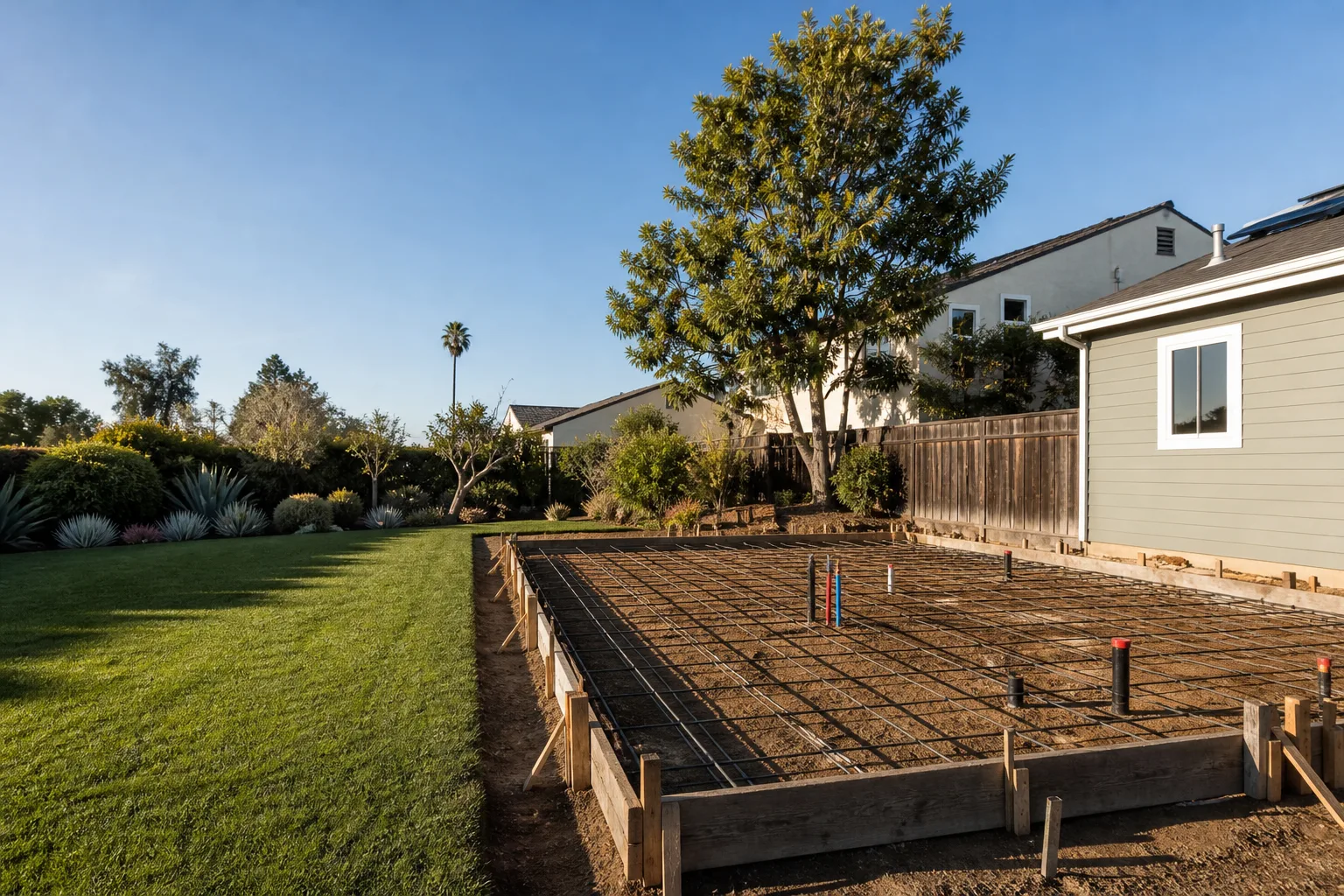
Cover Site Prep & Utilities: The San Antonio Owner's Guide
We stock and install Cover-compatible site prep and utility hookups throughout San Antonio, with most complete packages running between $8,500 and $22,000 depending on lot conditions, trenching distance, and whether your panel needs an upgrade. If your Cover unit is already on order and the foundation, trenching, or utility stub-outs are giving you trouble, we can typically have a crew out within the week to assess what needs correcting. Most owners discover a site prep issue the hard way: a trench collapses after a heavy rain, a sewer stub-out is three feet off from where Cover’s drawings show it, or the city inspector flags the meter location on first pass.
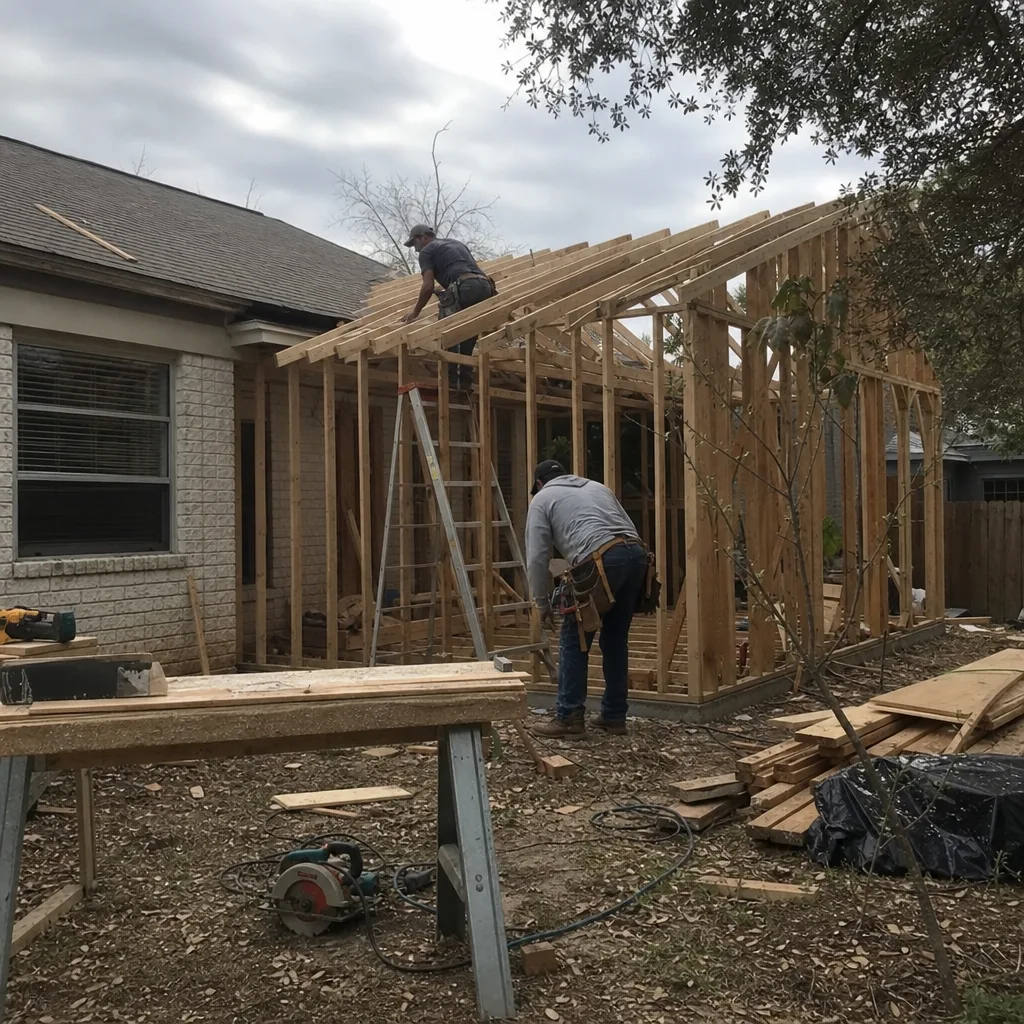
Which Cover Models This Applies To
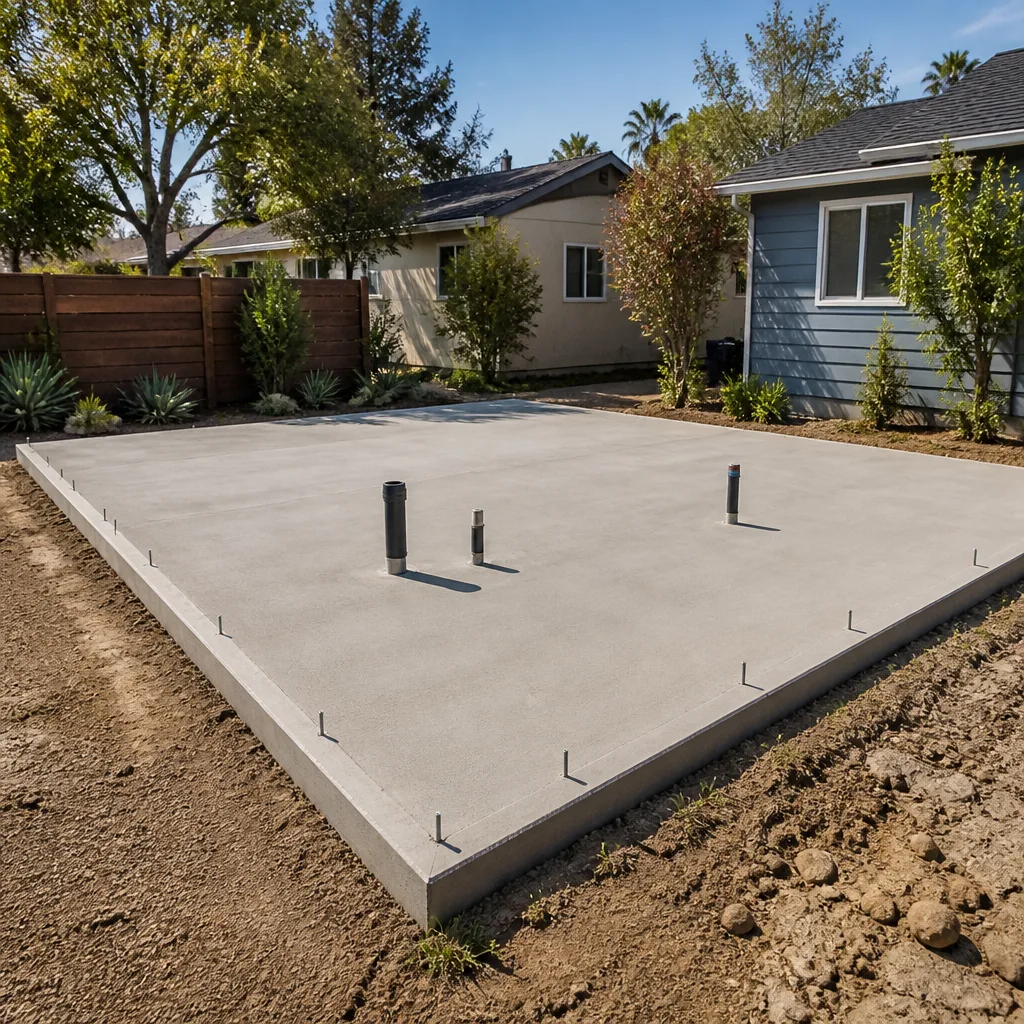
Cover builds its units around a standardized utility panel layout, but the site-side rough-in matters for every model in their lineup, from the Cover S (studio, roughly 360 to 500 square feet) up through the two-bedroom configurations that push past 1,000 square feet. The critical detail most San Antonio homeowners miss is that Cover’s utility stub-outs are fixed by the factory drawing, which means the trench, pad, and meter placement have to match those drawing dimensions within a half inch, not the other way around. We’ve corrected more than a few foundation pours where the electrician roughed in conduit to the property line instead of the exact point Cover specifies on the foundation plan.
When we do a Cover site prep, we field-verify every stub-out location against the factory drawings before concrete goes down. For older Cover units already on the lot, identifying the right parts comes down to checking the serial plate inside the utility closet and measuring the existing conduit and stub-up spacing. Cover has shifted utility panel placement between production years, so a 2021 unit and a 2024 unit on the same street can need different rough-in offsets. On the parts side, we stock both OEM-spec Cover utility connection components and quality aftermarket equivalents from suppliers we’ve used on dozens of San Antonio builds. The aftermarket conduit bodies, meter boxes, and sewer cleanouts hold up the same in Texas heat, and they typically save families 15 to 25 percent over factory-branded hardware. We’ll tell you plainly which parts make sense either way, and we won’t push an aftermarket piece where an OEM part is the only sensible call.
If you’re also comparing Cover against Abodu or Dvele for a future unit, the site prep for each has different rough-in requirements, so the utility work isn’t always transferable from one brand to another. Worth knowing before you pour anything.
Signs Your Cover Site Prep & Utilities Is Failing
- Water pooling around the pad or trench line after rain. San Antonio’s clay-heavy soil expands and contracts hard with moisture, and a trench that wasn’t compacted in lifts will settle unevenly. When the ground drops, the conduit or sewer line can shift with it, even if the pad itself looks fine.
- The main breaker trips when the unit pulls a full load. If your Cover unit’s heat pump or water heater kicks on and the panel trips, the underground feed to the unit may be undersized or a connection in the trench may have corroded. We see this most often on units that were roughed in before the owner upgraded appliances.
- Slow drains or gurgling from the kitchen and bath at the same time. That points to a belly in the sewer lateral, usually from compaction or a root intrusion where the line crosses the property toward the city tap. Cover’s factory plumbing leaves the unit at a fixed elevation, so the site-side line has to maintain proper fall from that point out.
- The inspector red-tags the meter or the trench before the utility will connect. CPS Energy and SAWS look at specific clearances, depths, and backfill details. A red tag usually means the rough-in was done to generic code, not to the exact Cover drawing and San Antonio utility requirements.
- Concrete around the stub-ups is cracking or sinking. That’s a sign the subgrade wasn’t properly prepared or the concrete was poured too wet. Once the pad moves, the rigid utility connections into the Cover unit get stressed, and that’s when leaks and electrical faults show up months later.
Replacement Cost & What's Included
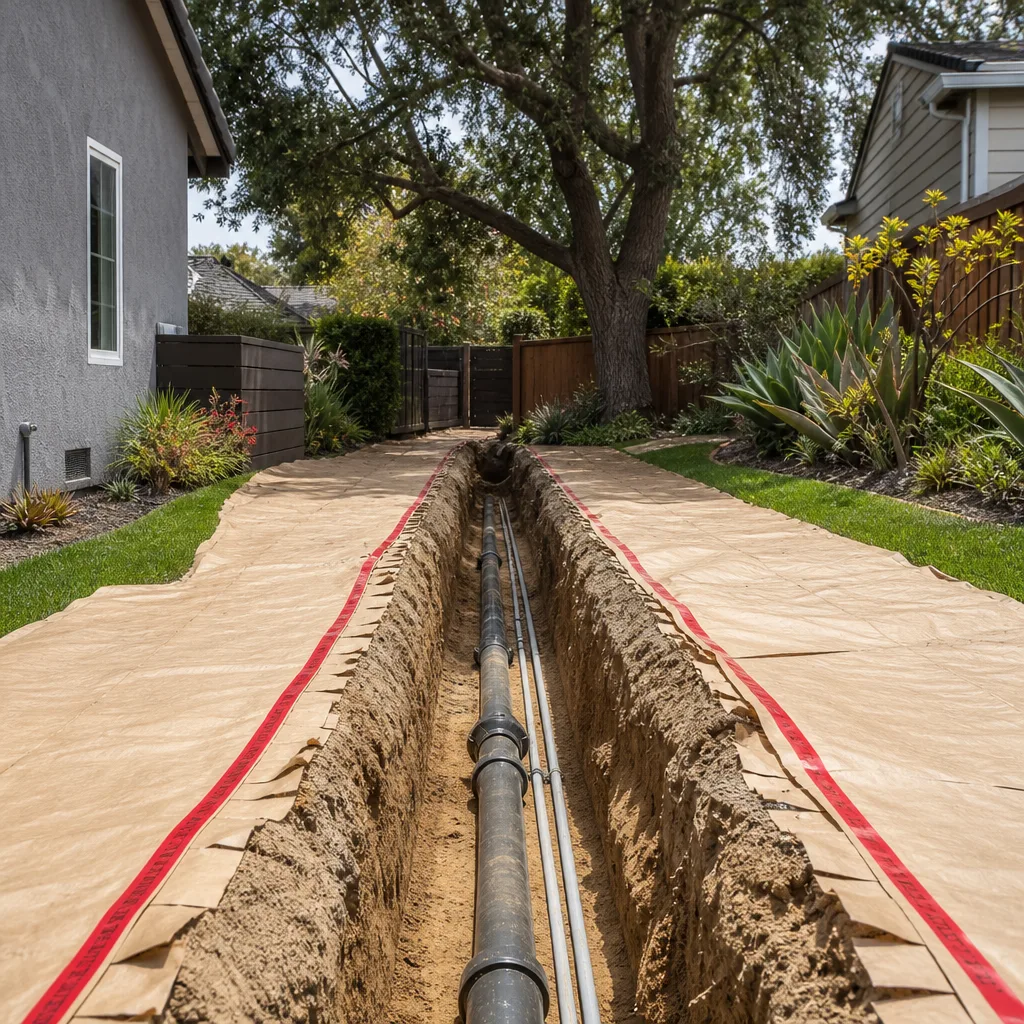
For a Cover unit already on the lot in San Antonio, correcting or replacing failed site prep and utility runs typically lands between $8,500 and $22,000 fully installed. The spread is driven by what actually failed. A collapsed sewer lateral crossing fifty feet of backyard toward the city tap runs higher than redoing stub-outs at the pad. A panel swap or service upgrade adds $3,500 to $7,000 on top if the original feed can’t handle the unit’s electrical draw. Deeper trenching through rock, which shows up regularly in the Hill Country fringes of the metro, also pushes the number up.
Every quote we write includes parts, labor, trenching, backfill, compaction, and the inspection coordination with CPS Energy, SAWS, and the City of San Antonio. You’ll get a written price before any work starts, and the number on that first line-item quote is the number you pay, with no surprise change orders once the crew shows up. The work is covered by our 365-Day Done Right Promise: if the utility rough-in or site prep isn’t done right, we make it right. Ben Ortega stands behind every Cover site prep we run through San Antonio, and he’s the one you’ll talk to if something needs attention after the fact.
DIY or Call Us?
There are a few things you can check safely before calling anyone. Look for visible low spots or cracks around the pad after rain. Note whether drains slow down together or separately. Check if the breaker at the main panel feeding the Cover unit feels warm to the touch after heavy use, which can signal a bad connection. Those observations help us diagnose faster when you call.
What you should not do is open a meter can, dig into an existing trench, or reconnect any electrical stub-up yourself. Underground electrical work in San Antonio requires a permit and a licensed electrician, and a live feeder line is not something to test your luck on. Same goes for sewer laterals; if you dig into the wrong spot and hit the line, you’ve turned a $4,000 repair into a much bigger mess. If the site prep is failing, call us at (210) 981-6358 and we’ll put eyes on it. Estimates are free, and Ben will tell you straight what needs fixing and what can wait.
FAQs
Properly installed site prep and utility rough-in should last 30 to 50 years, with the underground electrical conduit and sewer lateral outlasting the unit itself. The weak points in San Antonio are the clay soil’s shrink-swell cycle and poorly compacted backfill, which we account for by compacting in lifts and using sand bedding where the soil calls for it. Call (210) 981-6358 if you suspect your rough-in was done without that care.
It depends on what failed. A section of settled conduit, a cracked cleanout, or a shifted meter box can often be repaired without redoing the entire run. A collapsed sewer lateral or a pad that’s moved enough to stress the utility connections usually means replacing that section outright. We’ll tell you which one you’re looking at after a site visit, and the quote will reflect the smaller fix whenever the smaller fix is the right call.
Most corrections take three to seven working days from trenching to final inspection, depending on trench length, weather, and how quickly the utility companies send their inspectors out. San Antonio inspections are typically scheduled within a day or two of the work being ready, but CPS Energy and SAWS each have their own timelines for final connection approval. We keep you posted on every step, and a live person answers our phone 24/7 during the build.
We stock the common Cover-compatible parts on our trucks and in our San Antonio shop: meter boxes, conduit bodies, sewer cleanouts, stub-up fittings, and the aftermarket equivalents we’ve verified across multiple Cover installs. If your unit needs a factory-specific piece that’s not on the shelf, we order it the same day and have it within the week. Tell me what you need the space to do, and we’ll figure out the rest from there.
Written by Ben Ortega, Owner, Seedling ADU San Antonio at Seedling ADU San Antonio, serving San Antonio and nearby areas.


