
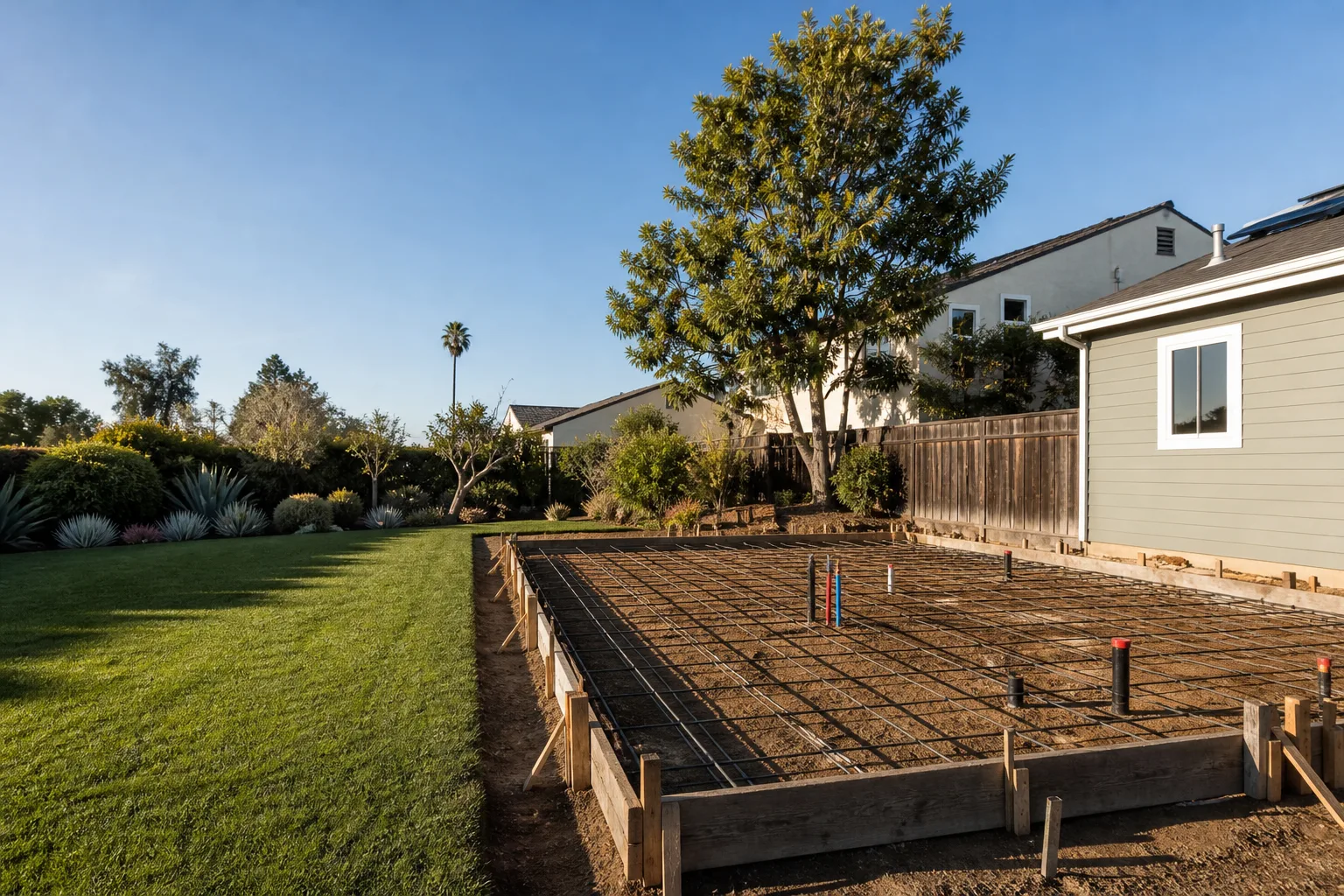
Abodu Site Prep & Utilities: The San Antonio Owner’s Guide
Site prep and utility work for an Abodu unit in San Antonio typically runs between $8,000 and $28,000 when we handle it, depending on how far your hookups sit from existing lines and what the soil looks like once we open it up. Most owners discover their site work has failed when they notice standing water after a heavy rain, a slab corner settling noticeably, or a sewer smell that won’t go away. We carry the Abodu-specific site hardware and utility connection components on our trucks, and we can usually diagnose what’s happening during the first visit.
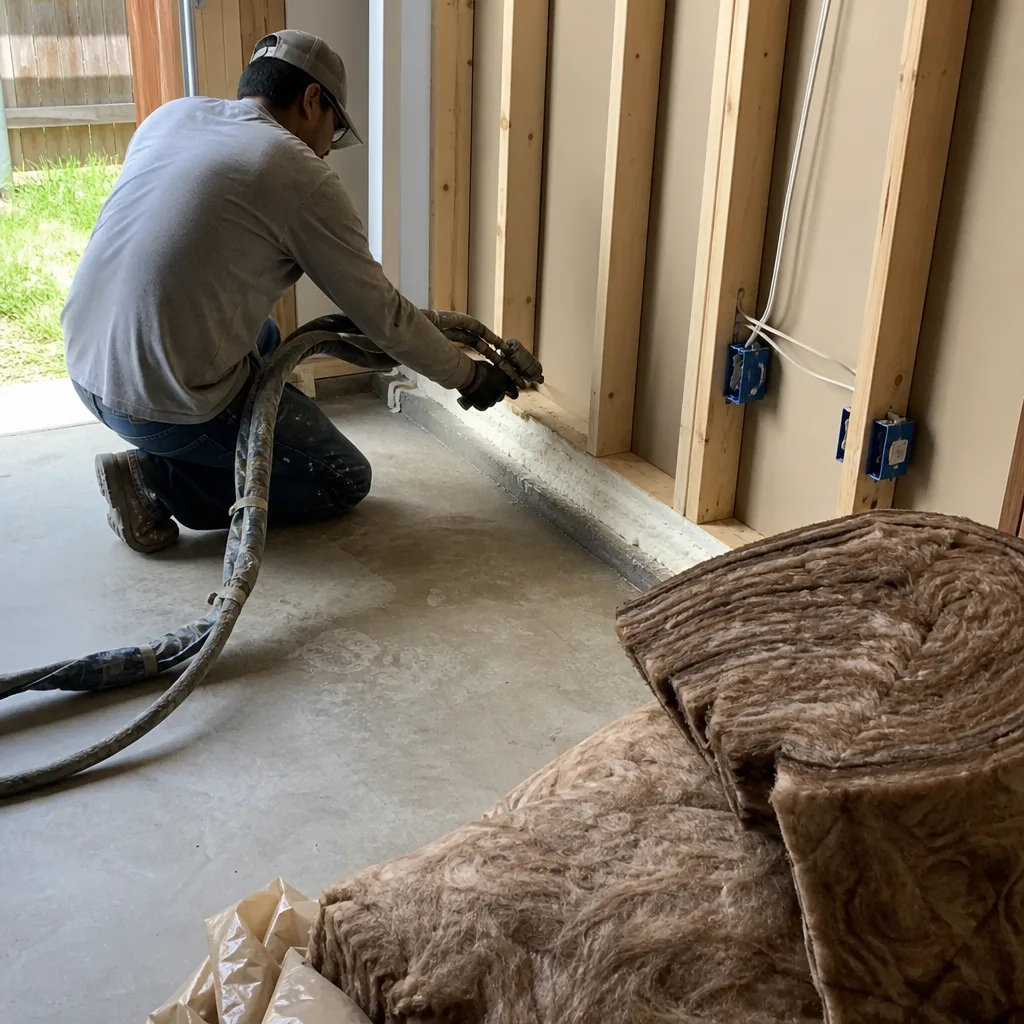
The most common way this surfaces: your Abodu was installed two or three years ago, the ground has gone through a few San Antonio drought-to-deluge cycles, and now you’re seeing a gap where the skirting meets the soil, or the electrical conduit has pulled loose from the unit. This is normal wear on our expansive clay, but it needs a trained eye because what looks like a small crack at the surface often traces back to a drainage or compaction issue underneath.
Key takeaways:
- San Antonio’s expansive clay moves more than most soil in Texas; Abodu foundation points need checking after the first two wet seasons
- We stock Abodu-compatible water, sewer, and electrical connection hardware locally
- A written price comes before any trench is opened, and the 365-Day Done Right Promise covers the finished work
Which Abodu Models This Applies To
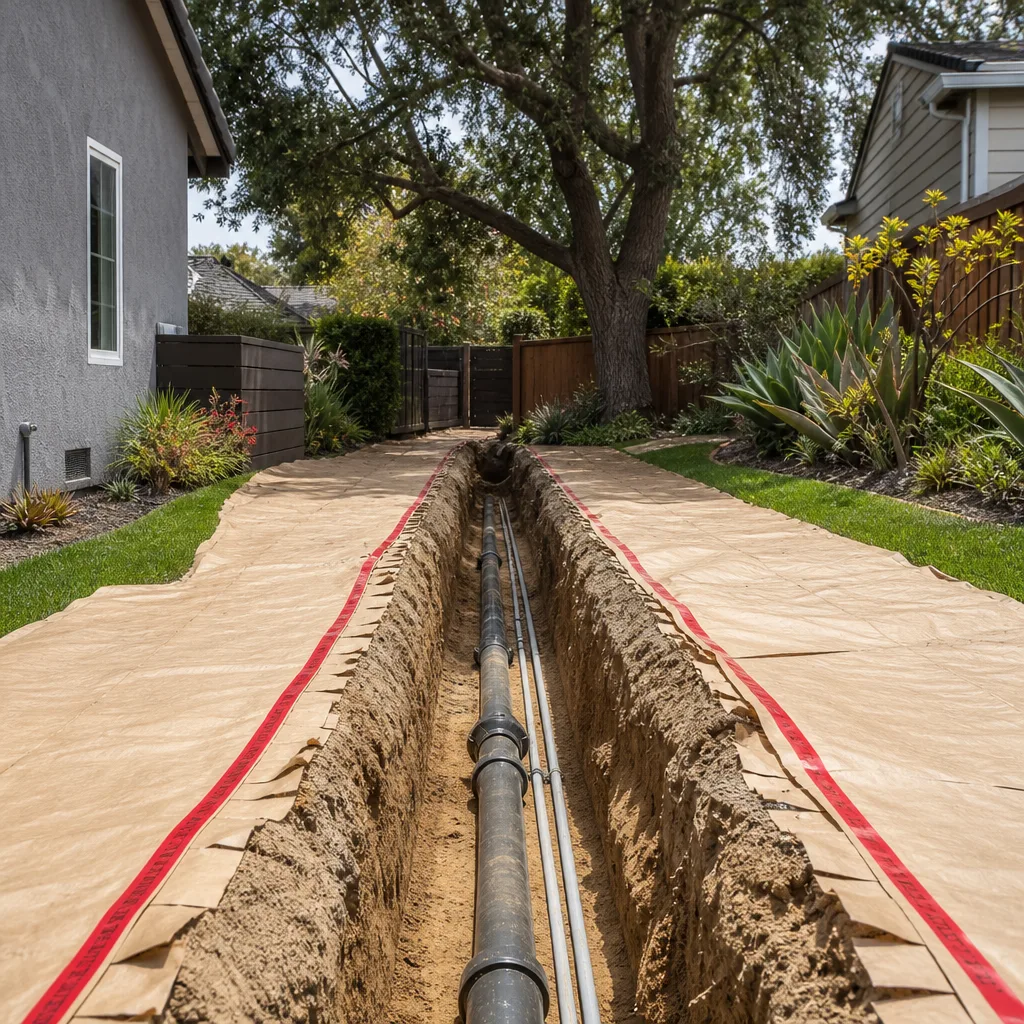
Abodu builds a limited line of prefab ADU models, and the site prep and utility requirements for a Studio, a One Bedroom, or a Two Bedroom differ mainly in the electrical service demand and sewer line sizing. A one-bedroom Abodu on a standard lot in San Antonio usually runs a 100-amp subpanel from the main house, while a two-bedroom unit often needs its own 200-amp service drop when the main panel can’t carry the extra load. Both setups require trenching, conduit, and weather-rated disconnects that hold up to our heat and occasional freeze.
When we inspect an existing Abodu site, we look at the exterior utility chase panel and the data tag riveted near the main shutoff. That tag tells us the exact panel spec your model shipped with, and it’s the fastest way to confirm whether you have the OEM connection hardware or a previous contractor’s aftermarket substitute. For Abodu specifically, the OEM utility chase covers are sized to the unit’s frame spacing; generic replacements from a big-box store often sit proud by a quarter inch because the frame pockets are metric. That quarter inch is where water gets in during a San Antonio downpour.
For most site prep and utility parts, a quality aftermarket component made to the same spec works fine and can cost 20 to 30 percent less than the OEM unit. The exception is the main electrical disconnect and the water line transition fitting at the unit: we recommend OEM or equivalent-rated hardware there, because a mismatch at the connection point causes the failures we see most often.
We also work with site prep and utility connections for Cover and Dvele units, so if you’re comparing brands while planning an addition or conversion, we can walk you through the differences before you commit.
Signs Your Abodu Site Prep & Utilities Are Failing
- Standing water near the unit after rain. This usually means the drainage swale or French drain that was cut during original site prep has silted up with San Antonio caliche dust. The water pools instead of shedding away from the skirting, and it slowly works into the gap between steel and soil.
- A sewer odor around the exterior chase or inside near the bathroom wall. The wax ring or mechanical coupling where your Abodu’s waste line ties into the house sewer has shifted as the clay soil swelled. It’s unpleasant but usually a straightforward correction once we expose the connection.
- A visible gap between the bottom of the unit and the gravel or concrete pad. Abodu units rest on pier or pad supports, and when one corner settles a half inch more than the others, the gap opens. The culprit is usually inconsistent compaction under one support point, not a structural problem with the unit itself. Left unchecked, the gap invites rodents and makes the plumbing lines flex at their connections.
- The electrical conduit has pulled away from the exterior panel box. As the soil heaves between dry and wet months, rigid conduit that wasn’t bedded properly snaps its straps and yanks the weatherhead out of alignment. This is a water entry point and a shock hazard, so treat it as a pro-only fix.
- Your breakers trip when the mini-split and the water heater run at the same time. That’s not a utility part failing, exactly, but it often traces back to an undersized subpanel or a cheap disconnect that’s arcing under load. We check connections and torque specs on every site prep visit because loose lugs cause most of the heat damage we see.
Replacement Cost & What’s Included
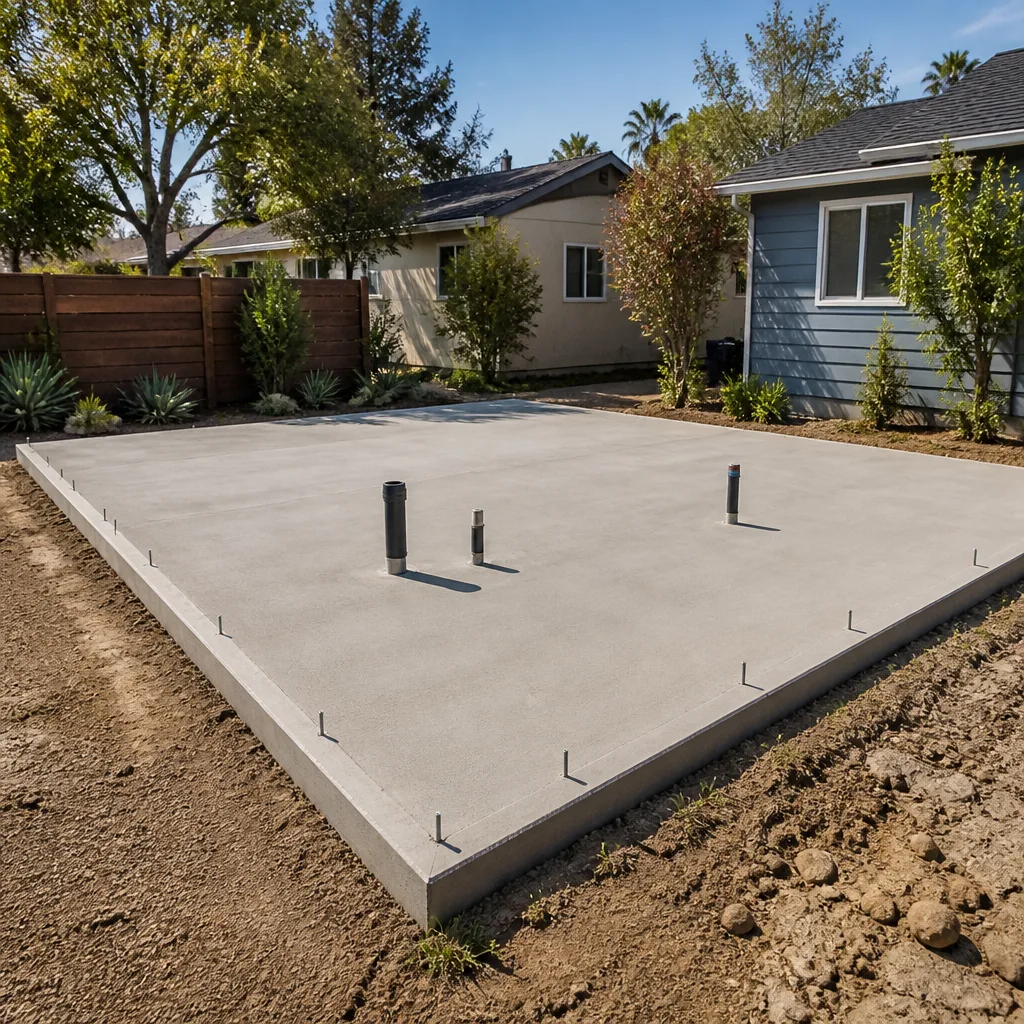
Here in San Antonio, full site prep for a new Abodu unit runs from $8,000 on an already-flat, already-connected lot up to $28,000 or more when we’re trenching more than 75 feet, adding a new electrical service drop, or boring under a driveway. For repair work on existing site prep and utilities, most owners pay between $600 and $3,200 depending on whether we’re re-bedding a section of conduit, replacing a sewer transition fitting, or recompacting and re-leveling support piers.
What drives the range: how far your tie-in points sit from the house, whether the soil is clay-heavy (most of Bexar County) or has a limestone shelf just below the surface (common in the Hill Country edges of the metro), and whether the original install used quality bedding material or whatever dirt was left over from excavation. On the parts side, you’ll see line items for the specific hardware, the gravel or sand bedding, the labor to expose and reconnect, and the clean-up.
Every quote we write in San Antonio is a fixed line-item price before any work starts. If we open a trench and find something the last contractor buried wrong, we’ll show you a photo, explain the fix, and agree on the amended price before touching it further. The work is covered by our 365-Day Done Right Promise: if it isn’t done right, we make it right.
DIY or Call Us?
There are things you can safely check, and then there’s the point where DIY goes sideways fast. You can visually inspect the gap between your Abodu’s skirting and the soil, look for obvious pooling after rain, and sniff around the exterior chase for sewer odor. Those observations help us start the diagnostic before we even arrive.
What you should not do: open the main electrical panel or disconnect to tighten lugs, dig any trench deeper than about six inches without utility locating, or attempt to lift any part of the unit to add shims. San Antonio has gas lines and live electrical runs in places that surprise even experienced crews, and a buried 240-volt line is unforgiving. High-tension electrical work on an ADU disconnect is genuinely dangerous. This is where you call a trained professional.
If you’re seeing standing water, a widening gap, or a tripping breaker and you want a straight read on what it’ll take to fix, call us at (210) 981-6358. Tell me what you need the space to do, and we’ll figure out the rest from there.
FAQs
Properly done site prep on San Antonio clay should last 10 to 15 years before any meaningful settling or utility connection movement, though drainage components like French drains may need cleaning every 3 to 5 years. The extreme wet and dry cycles of South Texas are the main driver of problems; well-bedded work handles them, while shortcuts show up after the second hard rain. Call (210) 981-6358 for an exact quote; estimates are free.
Yes, in most cases a qualified crew can re-bed conduit, recompact a settled pier, or replace a transition fitting without disturbing the rest of your Abodu site. Full replacement of site prep is rarely needed unless the original work was fundamentally misdone. Call (210) 981-6358 for an honest read on what your lot actually needs.
A typical utility connection repair on an Abodu unit takes one day, while recompacting and re-leveling support piers takes two to three days including time for the bedding material to settle correctly. Larger trenching jobs for new service run three to five days with the utility inspection window included. Call (210) 981-6358 and we’ll give you a realistic timeline based on what your site shows us.
We keep Abodu-compatible water line transition fittings, sewer couplings, panel disconnect hardware, conduit straps, and bedding materials on our service vehicles, so most repairs start and finish the same day. For uncommon OEM chase covers or proprietary connectors we order directly and typically have the part in two to three business days. Seedling ADU San Antonio is an independent service provider and not affiliated with Abodu; we use OEM or equivalent-rated parts and we’ll show you exactly what’s being installed before it goes in.
Written by Ben Ortega, Owner, Seedling ADU San Antonio at Seedling ADU San Antonio, serving San Antonio and nearby areas.


